MALAYSIA-AI | AI Generation

AI Image Generation
Hyper-Realistic AI Imagery Engineered for Impact
AI Illustrations
Stylized AI Illustrations Crafted for Storytelling and Design
AI Photography
Photography, Reimagined by Intelligence
AI Product Photography
How AI is Transforming Product Photography
AI 3D Model Generation
Design Reality in Three Dimensions
AI Character Creation
Building Your Digital Identity
AI Virtual Try-On
Dynamic Outfit Customization for Digital Characters
AI-Powered Advertising
Campaign Visuals Without Creative Limits
AI Voice Generation
AI Voice Generation & Voice Cloning
AI Music Generation
AI Music Generation & Sound DesignMALAYSIA-AI | Showcase

Advanced AI Image Generation
Generated visuals, Curated by design
AI Image Stock
Evolving Creativity with Intelligence
AI Image Generation Gallery
Exploring the art of AI-generated imagination
AI Illustrations Gallery
Exploring the art of artificial imaginationMALAYSIA-AI | Video Creation

AI Video Creation
Cinematic Motion Engineered for Impact
AI Video Generation
Powerful AI. Professional Results. Zero Guesswork.
AI Influencer
Virtual influencers designed for social media and brand [...]
AI Video Editing
AI Workflow in Video Editing – Smarter, Faster, [...]
AI Logo Animation
AI Logo Animation Logo animation is no longer [...]
AI Advertisement Video
Coming Soon
AI Videos for Phone
Coming SoonMALAYSIA-AI | Apps & Automation

AI Chatbot
AI Chatbot / AI Agent
AI Website Generation
AI-powered website creation for modern businesses
AI Web Tools
AI-Powered Web Tools and Services
AI Games and Mobile Apps
Next-Gen Games and Mobile Apps Powered by AI
AI System
AI Systems & Moltbot by OpenclawMALAYSIA-AI | Our Services

AI Image Generation Services
Professional AI-generated visuals for digital content
AI Video Generation Services
Next-generation Video Production powered by AI
AI Music & Voice Generation Services
AI-powered music and voice creation for modern content
AI Coding / AI Programming Services
AI-powered development solutions for modern businesses
AI Business Startup
Pioneering a New Era of AI-Powered Business Development
AI Agent
Hire an AI Agent – Experienced. Efficient. Evolved
AIgraphy
Aigraphy - Where AI Meets PhotographyMALAYSIA-AI | News Updates

AI Generation Services
- February 4, 2026Malaysia AI 2026

Asean Malaysia AI summit 2025
- August 13, 2025(* picture from Asean.org) Kuala Lumpur, 13 August [...]

We’re Rebuilding for the Future of AI
- July 19, 2025COMING SOON

Mai-Malaysia Ai
- February 2, 2025🇲🇾 Mai - Malaysia A.I

Contact Us
- February 1, 2025Contact Us:
Email Us
Email Us
Feel free to reach out. Our team is ready to assist you.AI Product Photography
AI Product Photography
How AI is Transforming Product Photography
Traditional product photography is constrained by studios, lighting setups, photographers, props, models, and post-production workflows. Every adjustment costs time, coordination, and money.
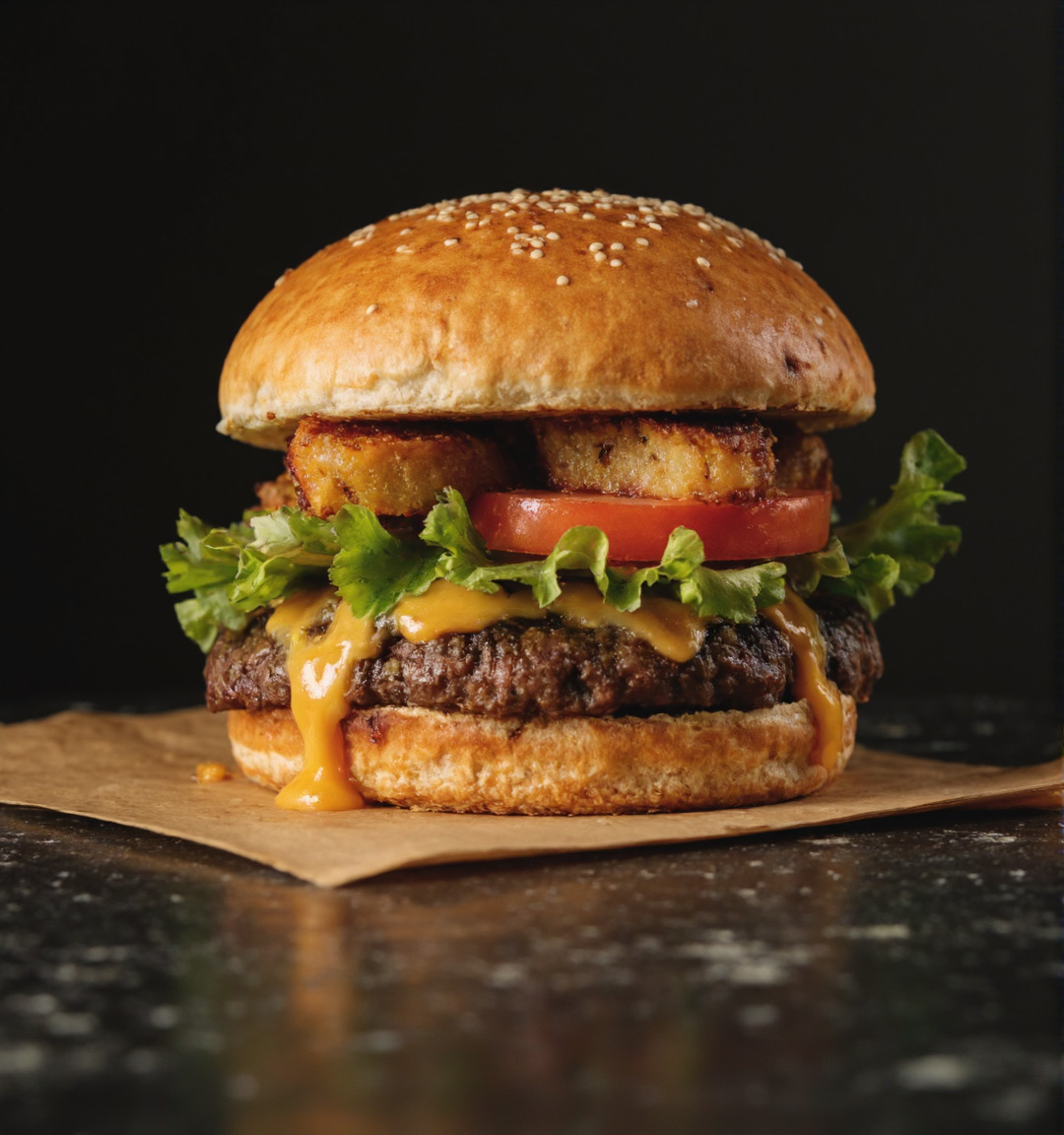
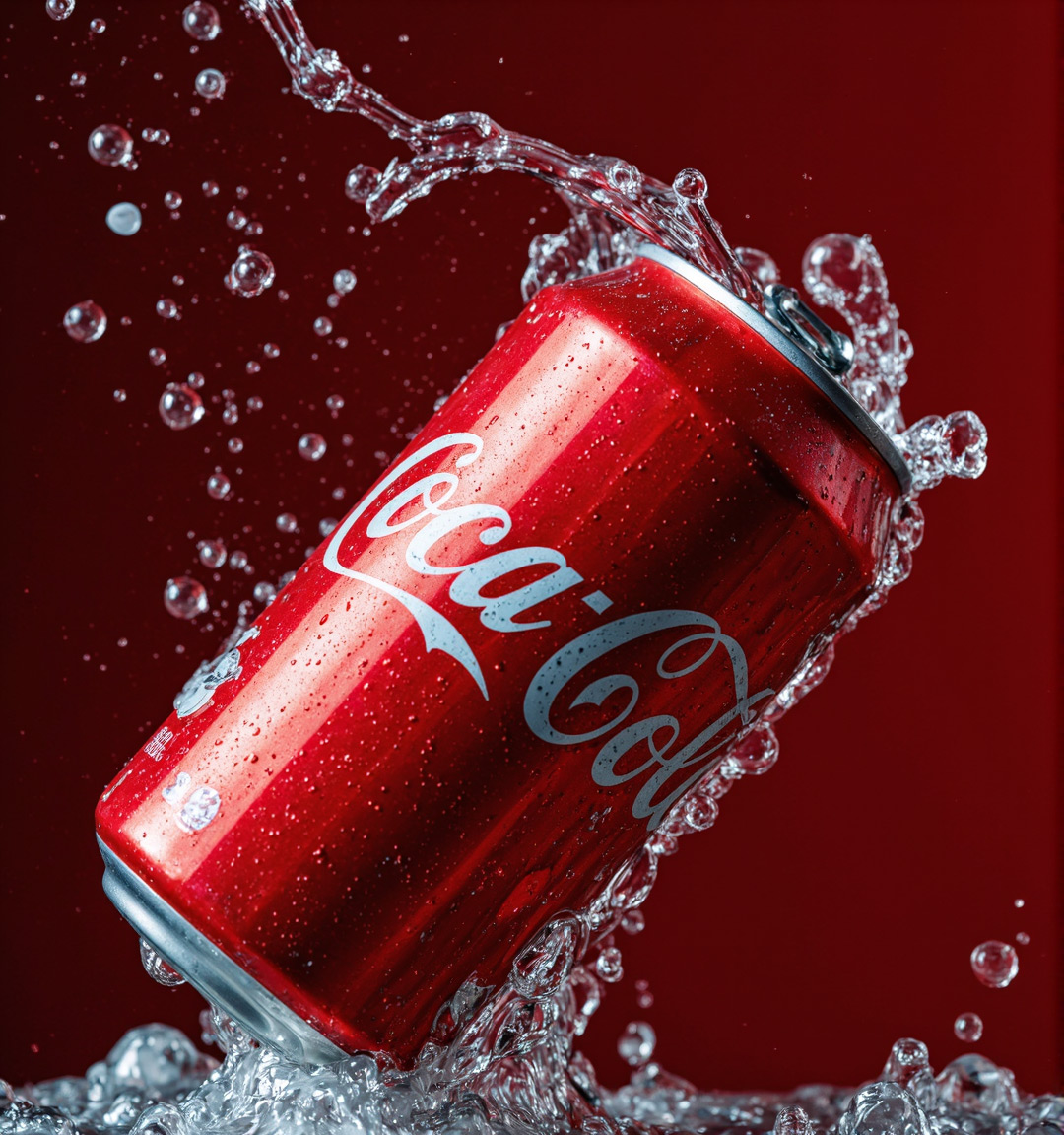
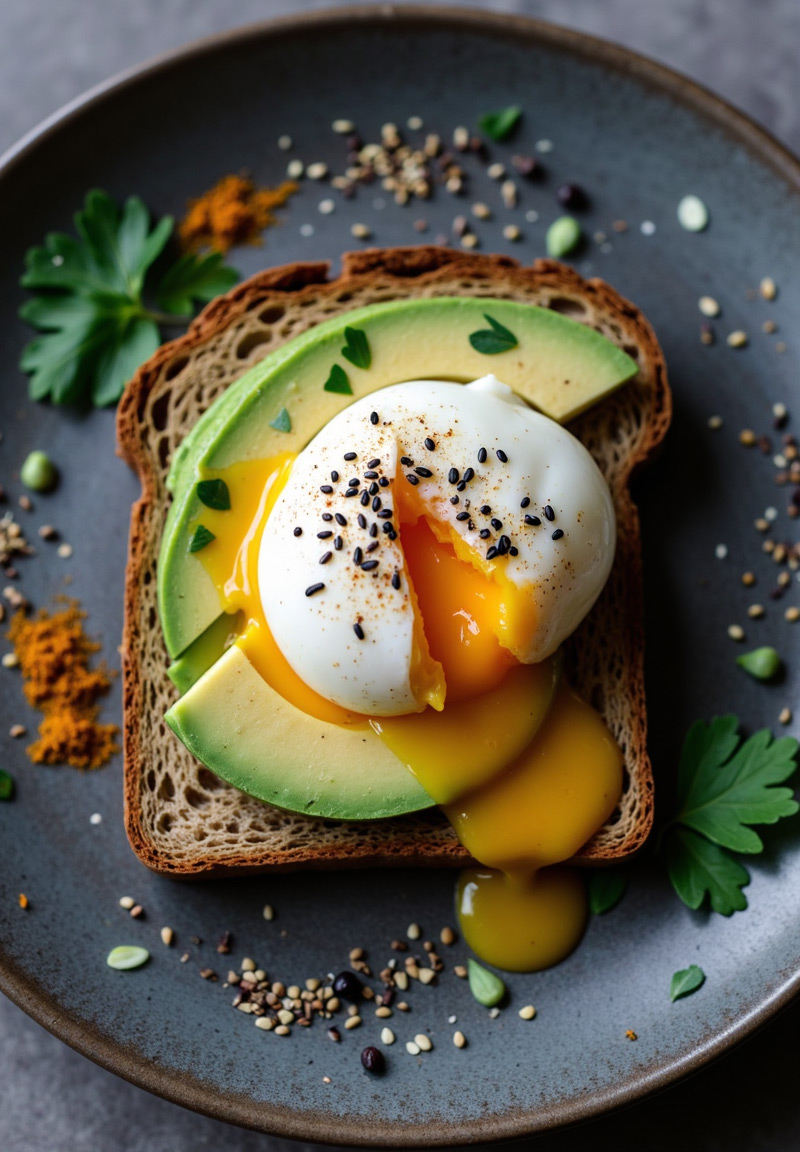
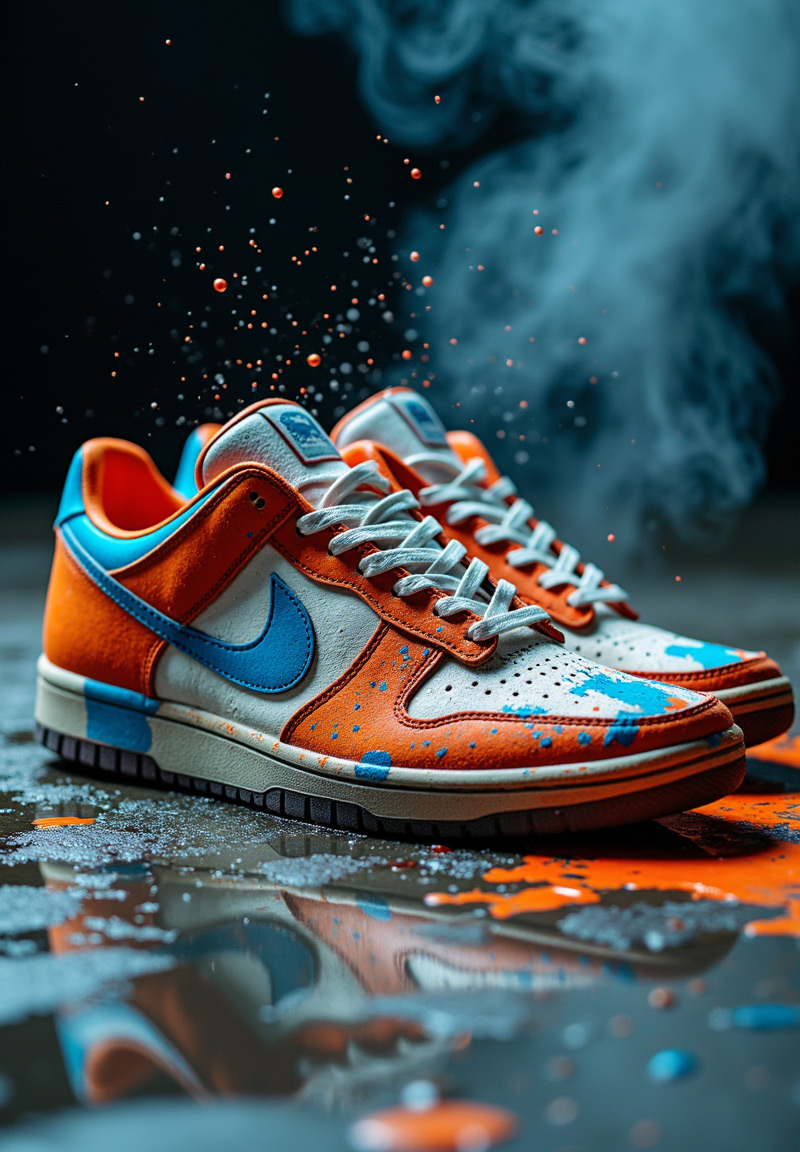
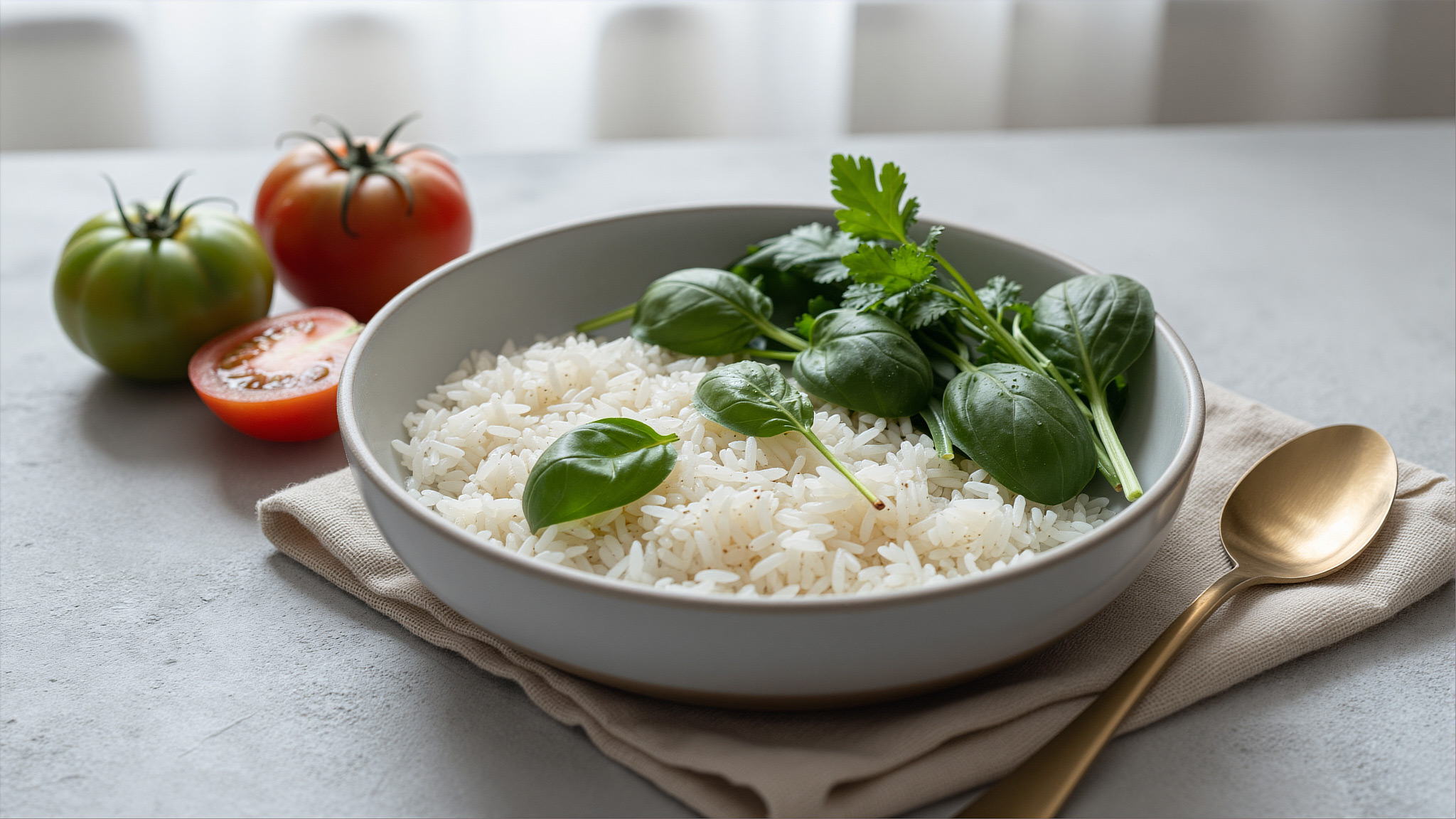
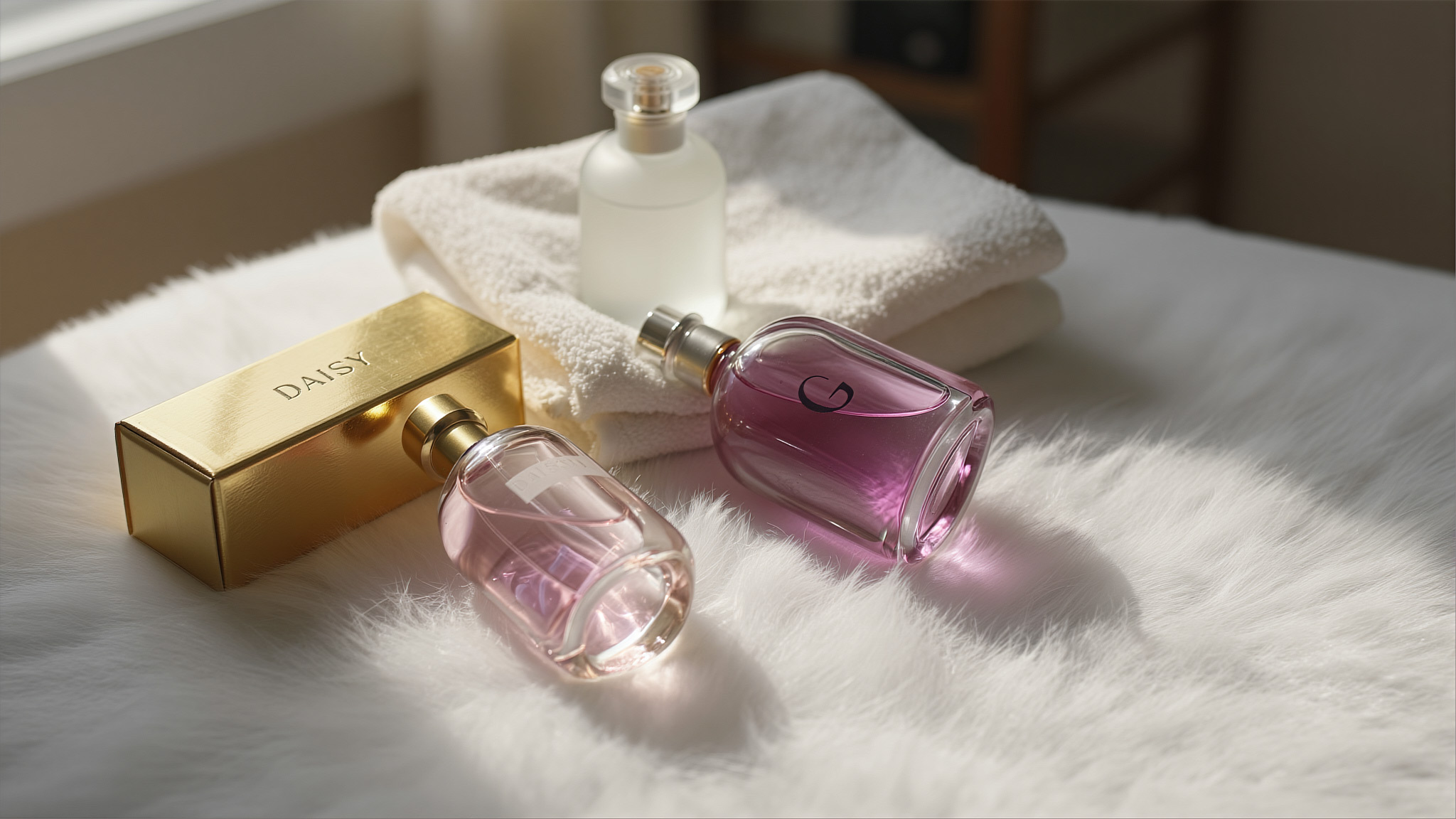
AI product photography removes those constraints. A single product image or 3D asset can be placed in any environment, under any lighting, and styled in any creative direction instantly. Brands no longer adapt ideas to physical limitations — the visual world adapts to the idea, enabling rapid experimentation, iteration, and scalable content production at speeds traditional photography cannot match.


Instant Visual Factories for Content-Driven Brands
Modern brands don’t need a photoshoot. They need a content engine.
AI product photography turns a single product image or 3D asset into an unlimited visual system. Different angles, environments, lighting styles, and campaign concepts can be generated instantly, allowing brands to produce consistent, high-end visuals at scale. What once required studios, props, and post-production teams can now be created in minutes with precise creative control.
Product Visualization Beyond Photography
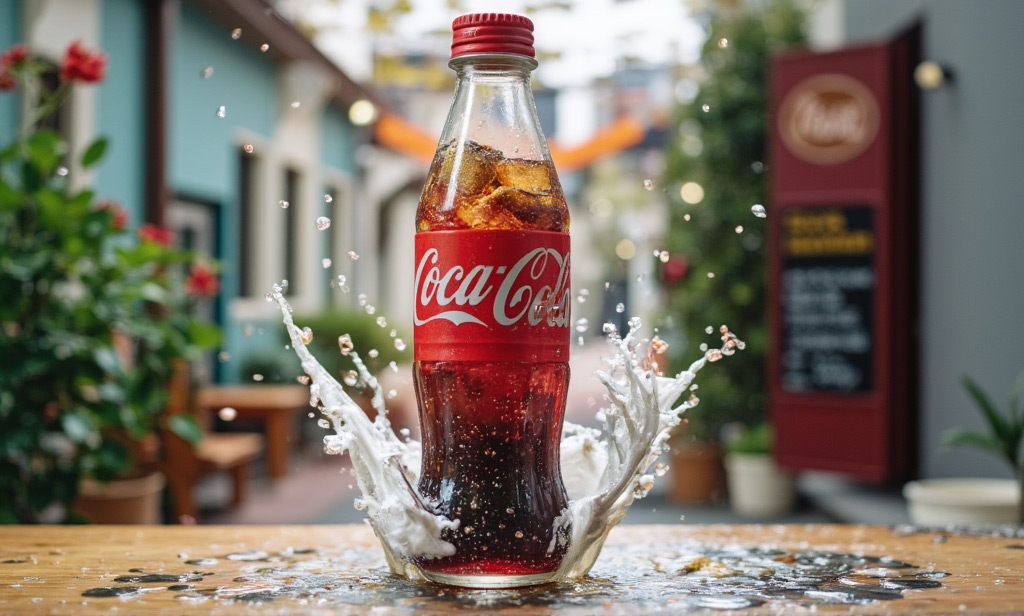
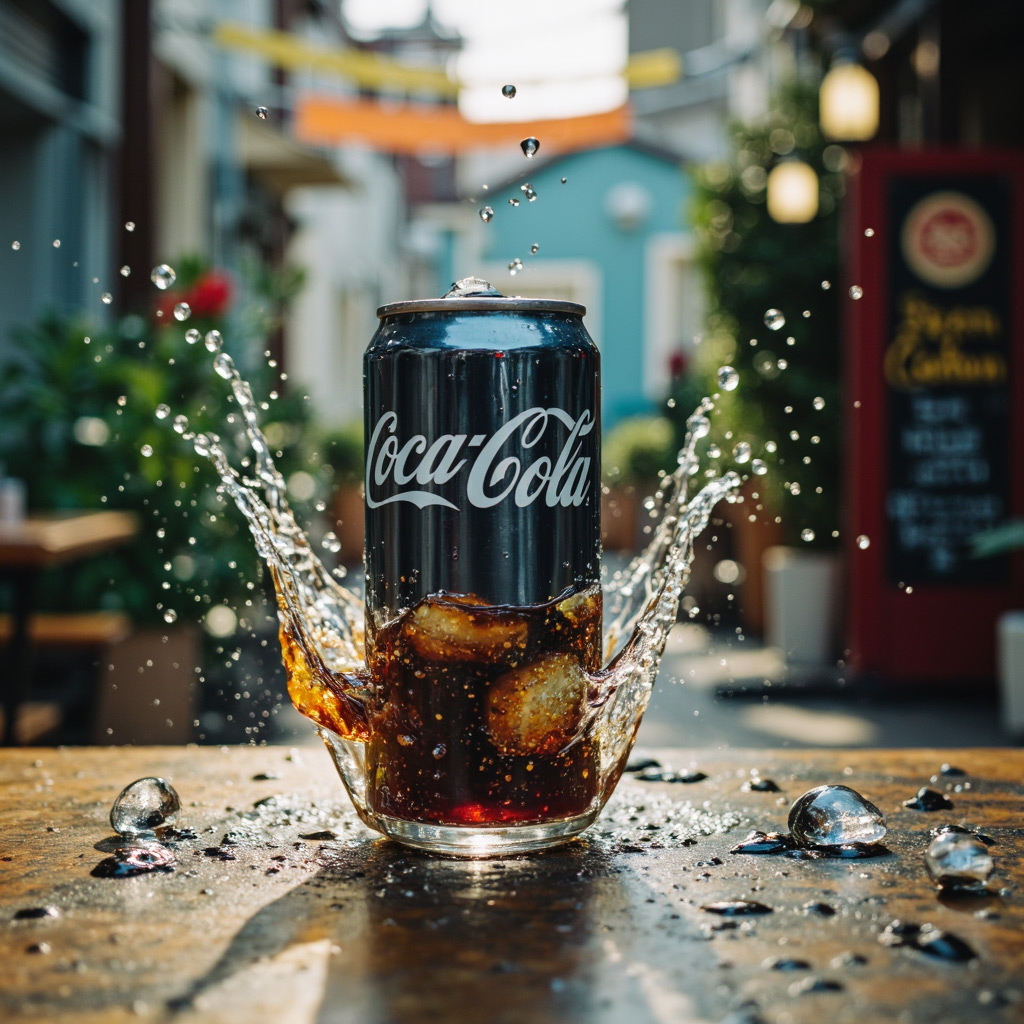
Product imagery is no longer limited by cameras, studios, or physical reality. With AI-driven visualization systems, products can be designed, simulated, and presented in any environment, lighting condition, or creative scenario—without reshoots, logistics, or production delays.
At Malaysia AI, we build intelligent visual pipelines that generate, adapt, and scale product content across photography, mockups, virtual try-ons, advertising visuals, and interactive demos. Instead of manually producing each asset, AI becomes a dynamic content engine—allowing brands to test concepts, localize campaigns, and create high-impact visuals at a speed and scale traditional workflows simply cannot match.
AI Product Visualization
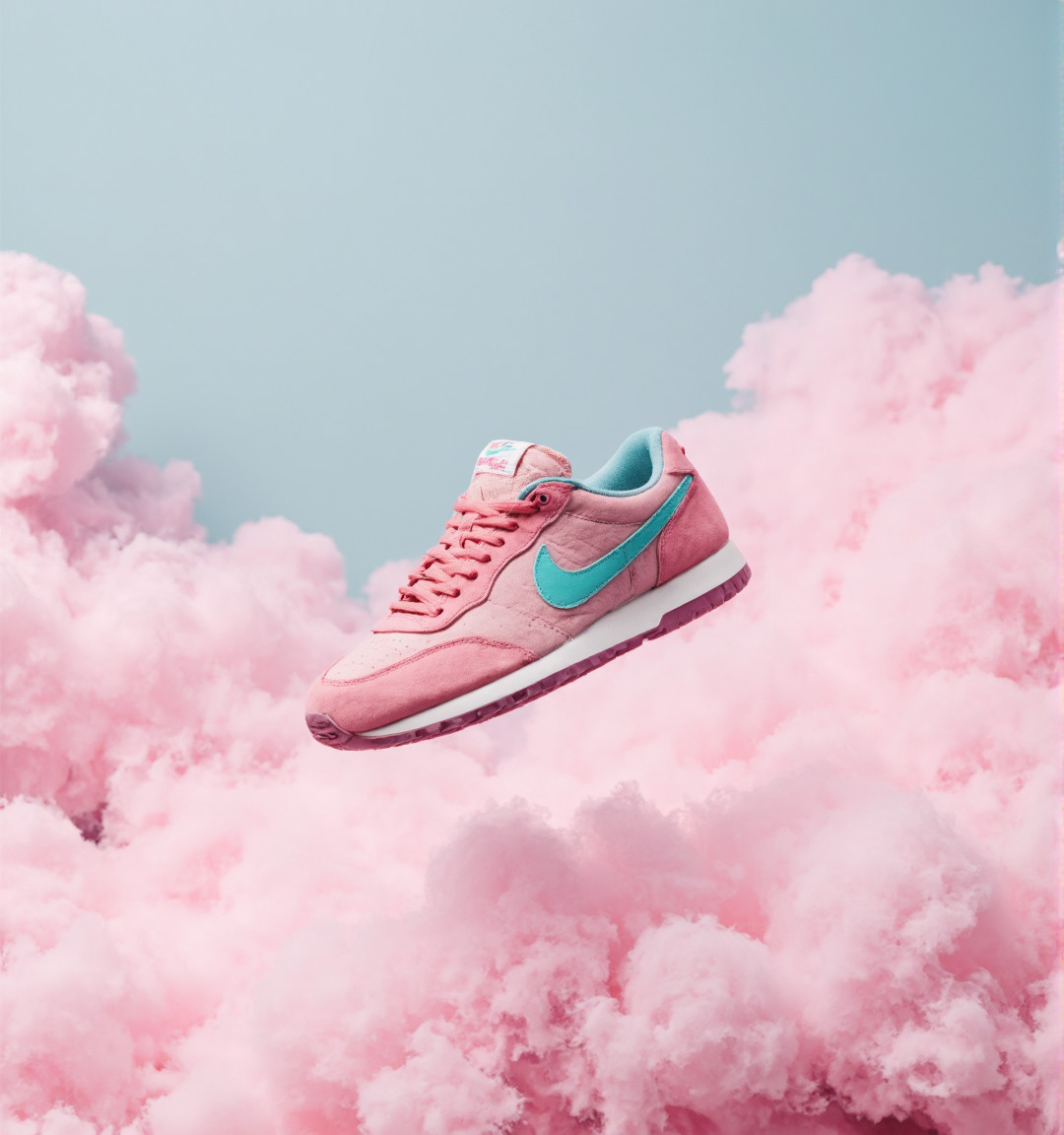
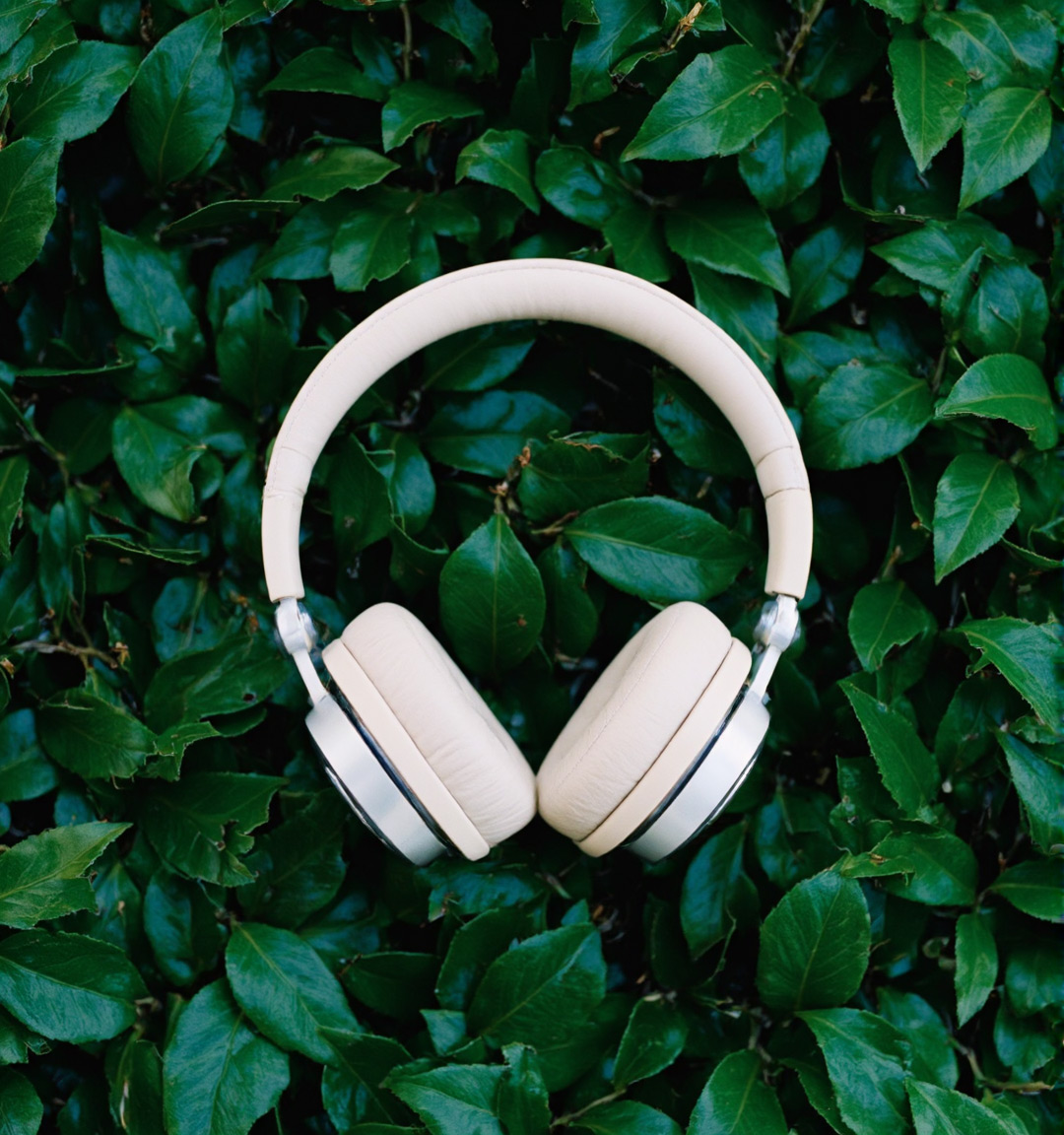
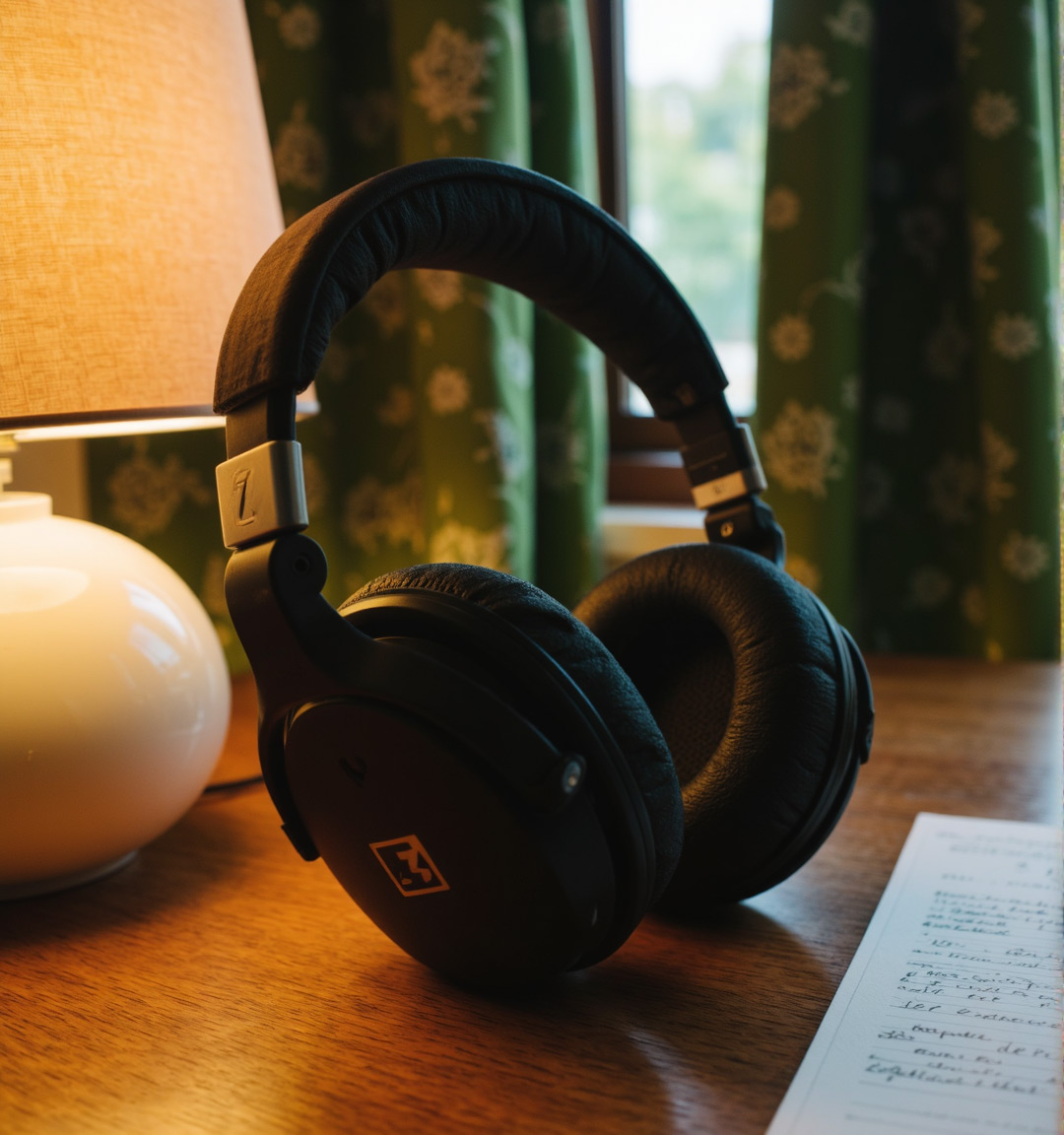
Product visuals are no longer just photographs. With AI, a single product image or 3D model can be transformed into studio shots, lifestyle scenes, and cinematic hero visuals without physical sets, crews, or reshoots. Lighting, angles, materials, reflections, and environments become editable variables instead of fixed constraints.
AI product visualization turns photography into a design system. Brands can generate unlimited visual variations for ads, websites, marketplaces, and packaging—instantly and consistently. Instead of adapting ideas to physical limitations, you redesign the visual world to match your creative direction.
This is the shift from capturing products to architecting how products are seen.
AI Packaging & Product Mockups
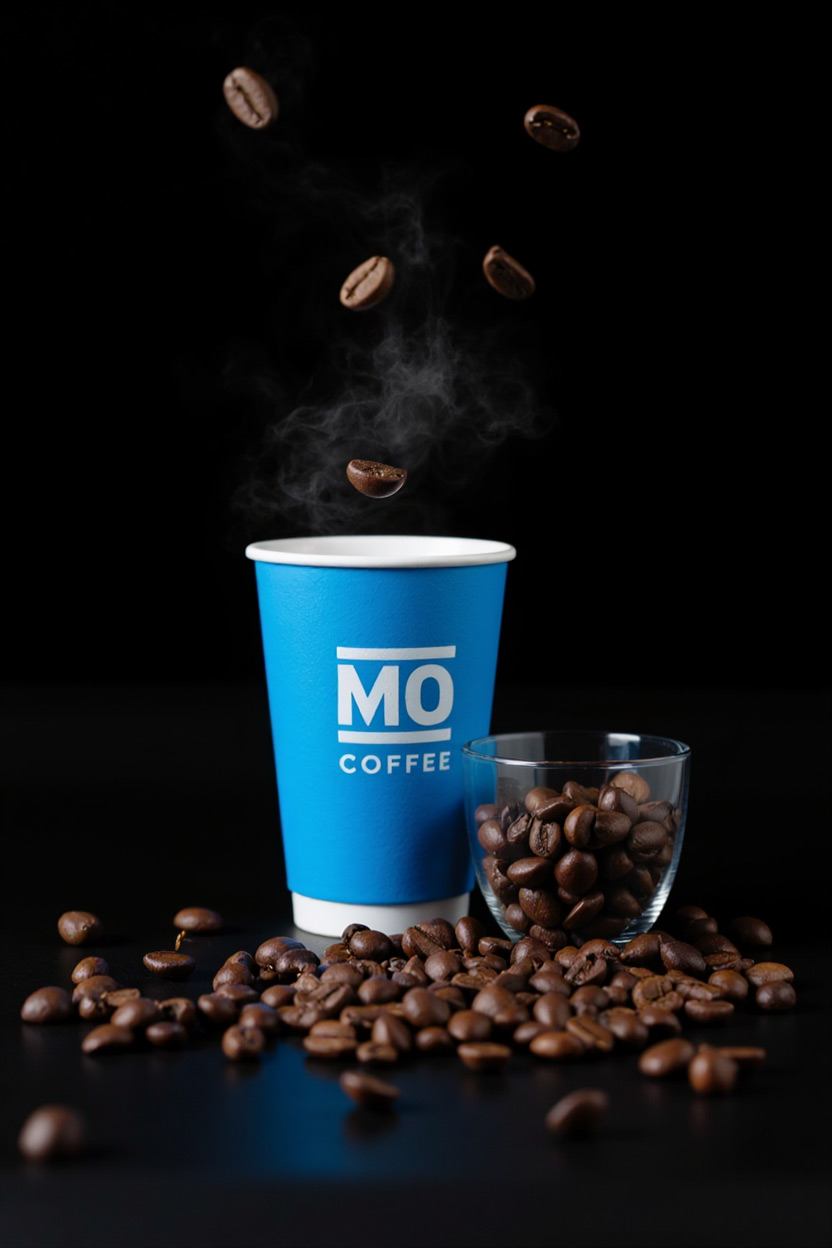
Seeing your brand on a real product used to require prototypes, printers, and a lot of waiting. AI skips all that.
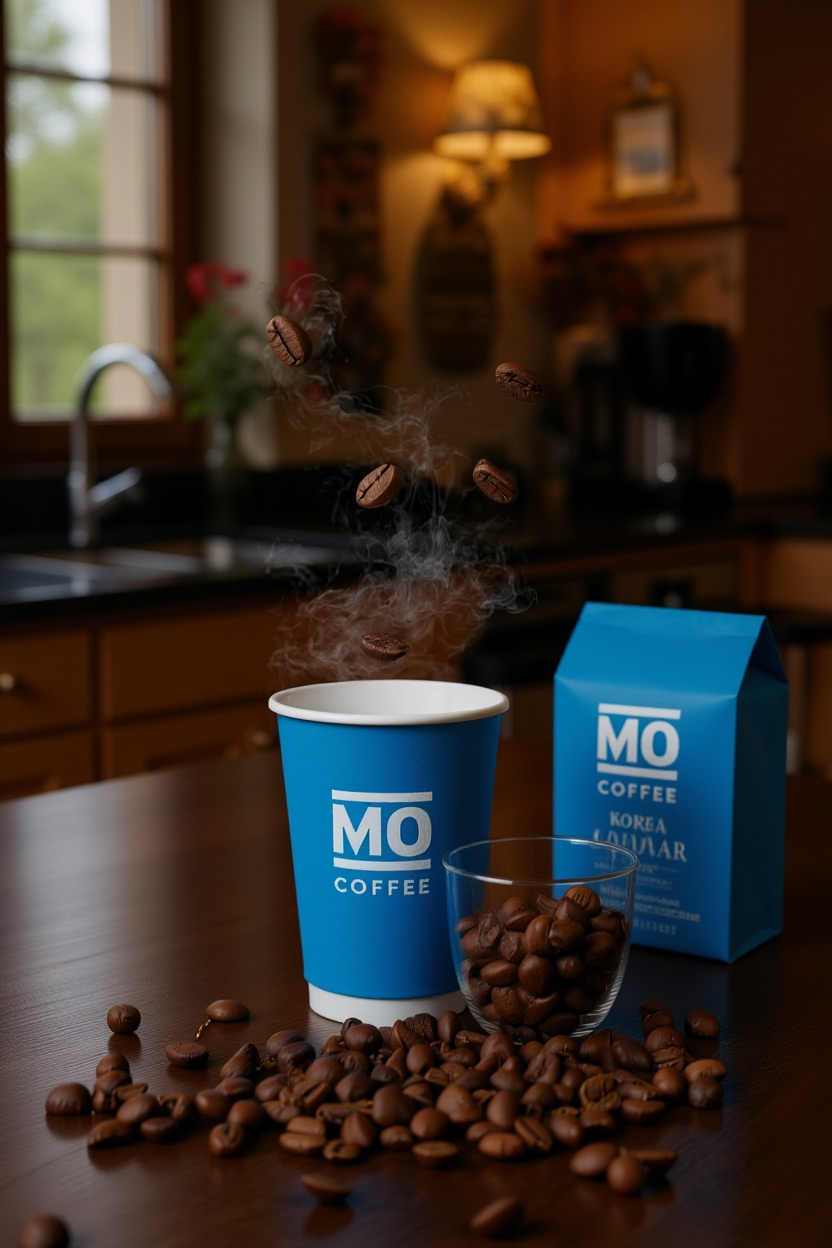
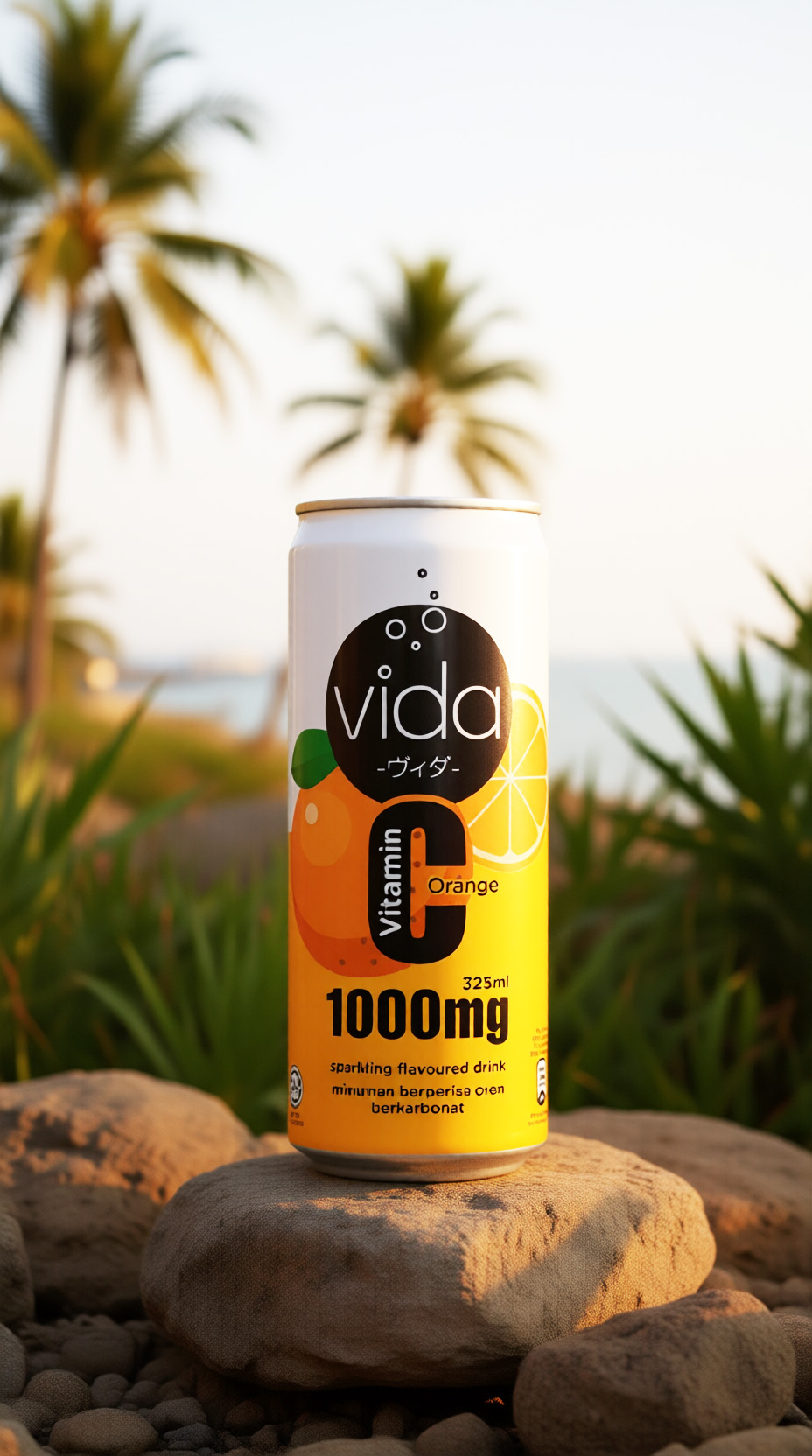
With AI mockups, your logo, packaging design, or product concept can be wrapped onto realistic bottles, boxes, apparel, devices, and retail displays in seconds. Curves, materials, reflections, and lighting are automatically simulated so the result looks like a professional studio shot, not a pasted PNG.
This turns mockups into a creative sandbox. You can test colors, finishes, layouts, and branding directions instantly—without manufacturing samples or opening Photoshop 47 times. Perfect for pitches, client previews, eCommerce stores, and social campaigns where speed and polish actually matter.
Virtual Try-On & Model Visualization
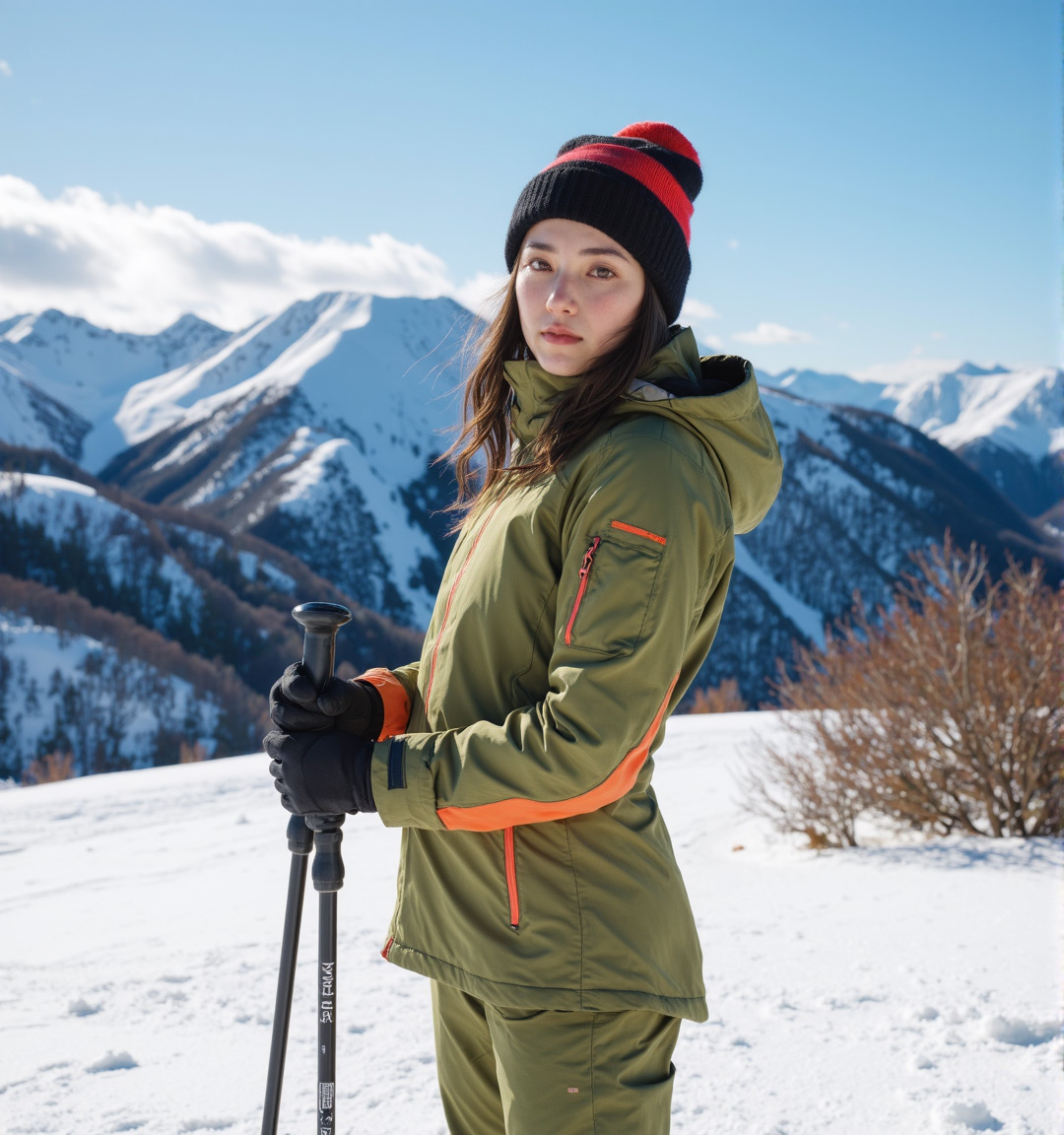
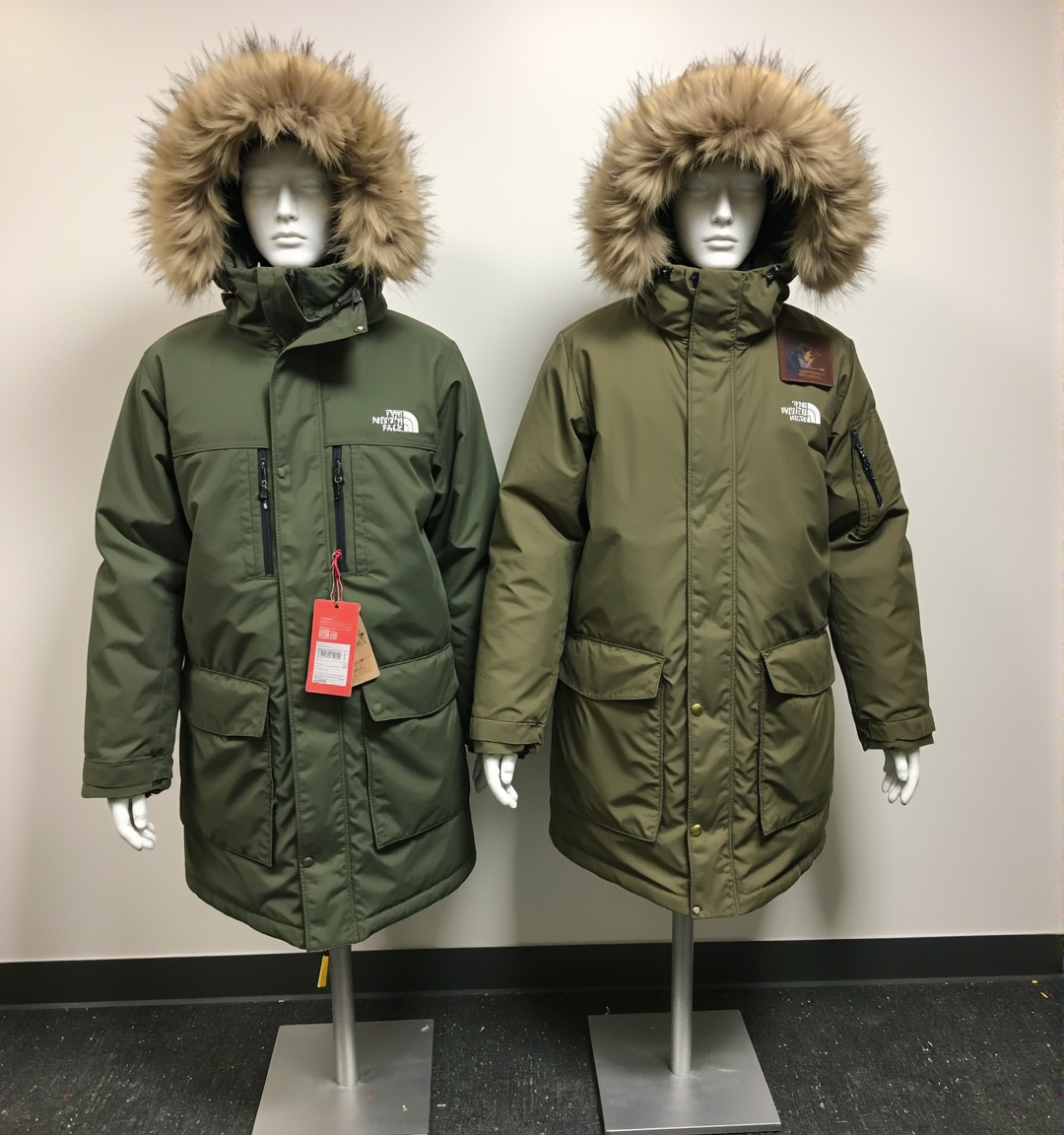
Virtual try-on technology lets brands showcase clothing on realistic models without photoshoots, studios, or hired talent. AI can generate lifelike models, simulate fabric drape, and adapt garments to different body types, poses, and lighting conditions with convincing realism.
By understanding human anatomy and material behavior, AI accurately recreates folds, textures, and movement, allowing brands to visualize how products truly look when worn. You can instantly generate multiple outfits, sizes, styles, and poses—without reshooting anything.
For businesses, this means faster campaigns and lower production costs. For customers, it creates a more immersive and confident shopping experience. Lookbooks, catalogs, ads, and eCommerce visuals can now be produced digitally, at scale, and on demand.
AI Advertising & Campaign Visuals
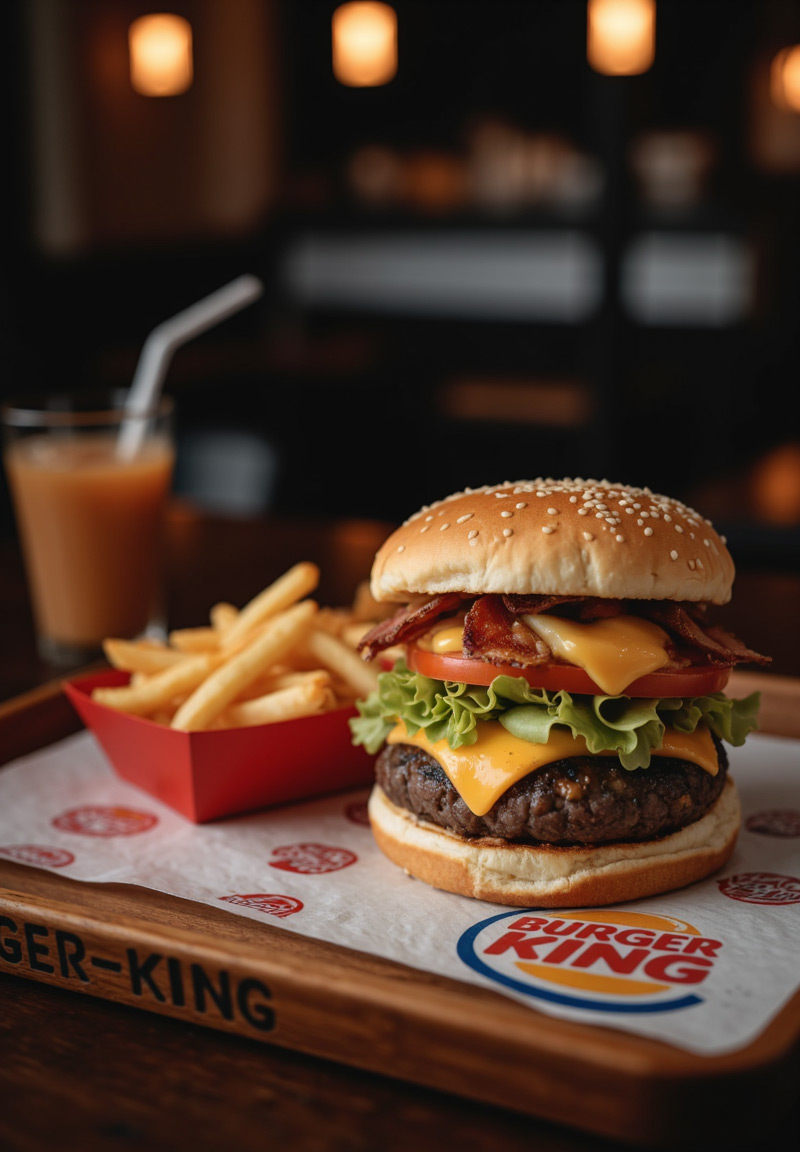
AI transforms product images into high-impact campaign assets by enhancing resolution, refining lighting, and reconstructing scenes with precision. Low-quality photos can be upscaled to sharp, high-resolution visuals suitable for websites, ads, and large displays, while lighting and color tones are intelligently corrected to create a consistent, professional brand look across every platform.
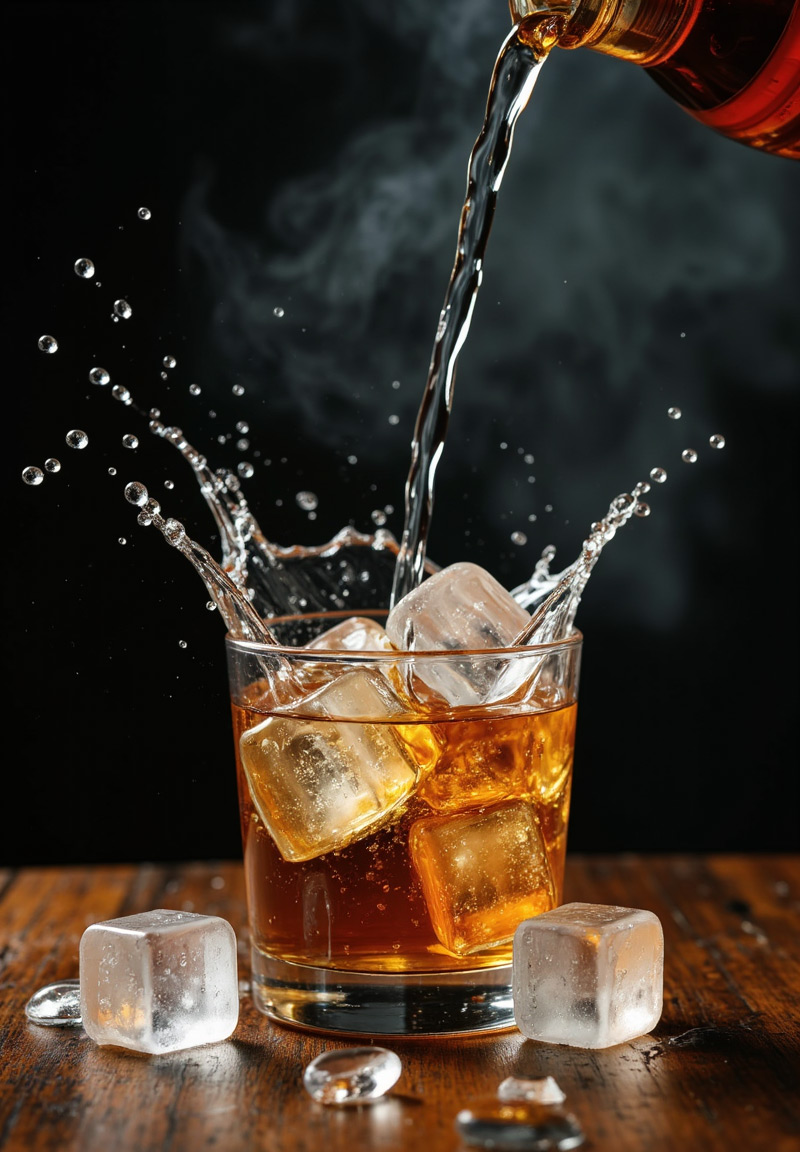
Beyond enhancement, AI can reshape the entire visual environment. Backgrounds can be removed or replaced with realistic lifestyle scenes, unwanted objects can be eliminated, and imperfections can be retouched seamlessly. Products can be placed into cinematic settings, premium environments, or aspirational lifestyles—without reshooting or manual compositing.
For marketing teams, AI enables dynamic content creation at scale. Multiple image variations can be generated for different audiences, platforms, and campaigns, allowing brands to personalize visuals, A/B test creatives, and launch campaigns faster than traditional production pipelines. Product imagery stops being static content and becomes a flexible, adaptive marketing engine.
AI Marketing & Sales Content
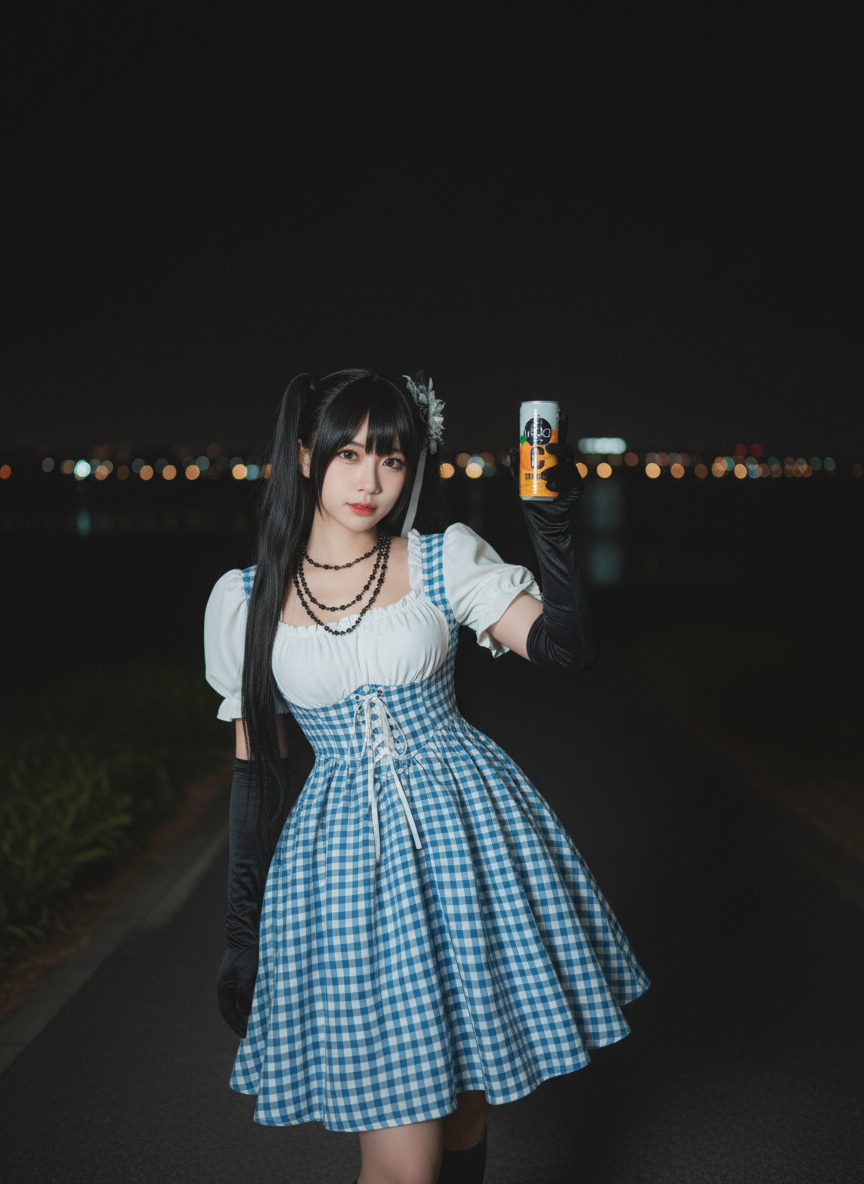
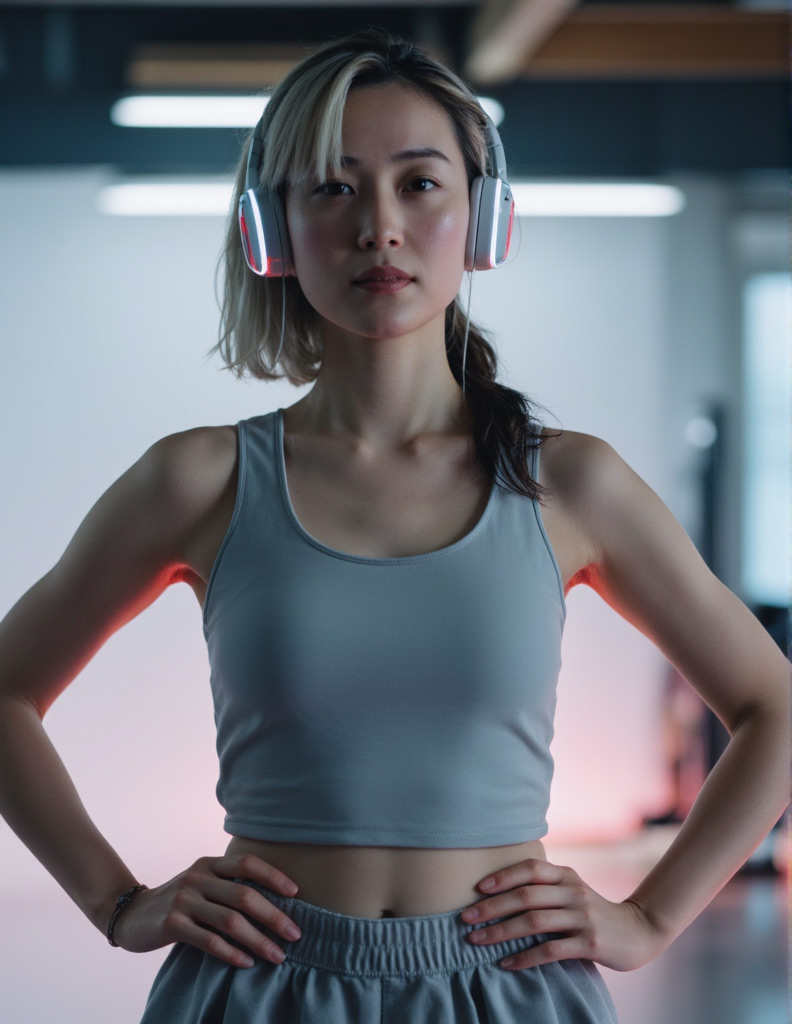
AI is transforming how brands sell by pairing products with realistic digital presenters. Instead of static visuals or traditional video shoots, products can now be showcased by lifelike AI characters that explain features, demonstrate usage, and guide viewers through key benefits in real time.
These digital hosts can be tailored to match your brand identity — corporate, friendly, energetic, or authoritative — without the cost of actors, studios, or repeated filming. They can gesture, interact with products, and deliver consistent messaging across every campaign, language, and platform.
This changes product marketing from passive visuals into interactive experiences. Tutorials, ads, product launches, and explainer videos become dynamic, scalable, and instantly adaptable. Updates no longer require reshoots; they require prompts and creative direction.
As AI video technology evolves, digital presenters will become increasingly natural, expressive, and responsive. Product marketing is moving from recorded content to living, adaptive media — where every customer sees a tailored, on-brand presentation designed to convert.