MALAYSIA-AI | AI Generation

AI Image Generation
Hyper-Realistic AI Imagery Engineered for Impact
AI Illustrations
Stylized AI Illustrations Crafted for Storytelling and Design
AI Photography
Photography, Reimagined by Intelligence
AI Product Photography
How AI is Transforming Product Photography
AI 3D Model Generation
Design Reality in Three Dimensions
AI Character Creation
Building Your Digital Identity
AI Virtual Try-On
Dynamic Outfit Customization for Digital Characters
AI-Powered Advertising
Campaign Visuals Without Creative Limits
AI Voice Generation
AI Voice Generation & Voice Cloning
AI Music Generation
AI Music Generation & Sound DesignMALAYSIA-AI | Showcase

Advanced AI Image Generation
Generated visuals, Curated by design
AI Image Stock
Evolving Creativity with Intelligence
AI Image Generation Gallery
Exploring the art of AI-generated imagination
AI Illustrations Gallery
Exploring the art of artificial imaginationMALAYSIA-AI | Video Creation

AI Video Creation
Cinematic Motion Engineered for Impact
AI Video Generation
Powerful AI. Professional Results. Zero Guesswork.
AI Influencer
Virtual influencers designed for social media and brand [...]
AI Video Editing
AI Workflow in Video Editing – Smarter, Faster, [...]
AI Logo Animation
AI Logo Animation Logo animation is no longer [...]
AI Advertisement Video
Coming Soon
AI Videos for Phone
Coming SoonMALAYSIA-AI | Apps & Automation

AI Chatbot
AI Chatbot / AI Agent
AI Website Generation
AI-powered website creation for modern businesses
AI Web Tools
AI-Powered Web Tools and Services
AI Games and Mobile Apps
Next-Gen Games and Mobile Apps Powered by AI
AI System
AI Systems & Moltbot by OpenclawMALAYSIA-AI | Our Services

AI Image Generation Services
Professional AI-generated visuals for digital content
AI Video Generation Services
Next-generation Video Production powered by AI
AI Music & Voice Generation Services
AI-powered music and voice creation for modern content
AI Coding / AI Programming Services
AI-powered development solutions for modern businesses
AI Business Startup
Pioneering a New Era of AI-Powered Business Development
AI Agent
Hire an AI Agent – Experienced. Efficient. Evolved
AIgraphy
Aigraphy - Where AI Meets PhotographyMALAYSIA-AI | News Updates

AI Generation Services
- February 4, 2026Malaysia AI 2026

Asean Malaysia AI summit 2025
- August 13, 2025(* picture from Asean.org) Kuala Lumpur, 13 August [...]

We’re Rebuilding for the Future of AI
- July 19, 2025COMING SOON

Mai-Malaysia Ai
- February 2, 2025🇲🇾 Mai - Malaysia A.I

Contact Us
- February 1, 2025Contact Us:
Email Us
Email Us
Feel free to reach out. Our team is ready to assist you.AI Photography
AI Photography
Photography, Reimagined by Intelligence
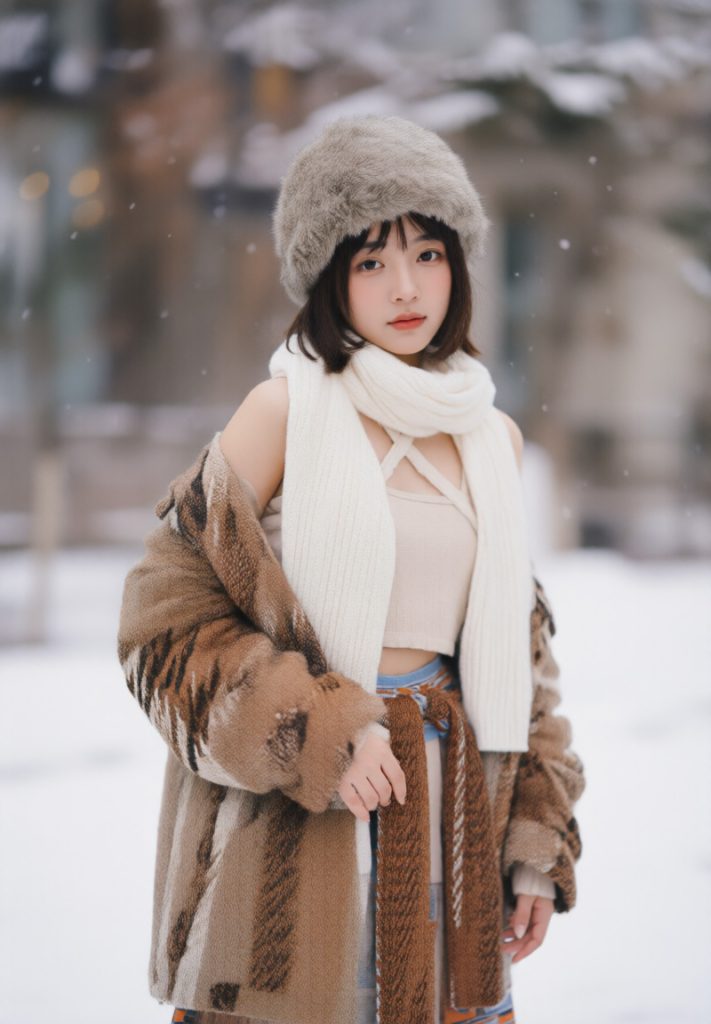
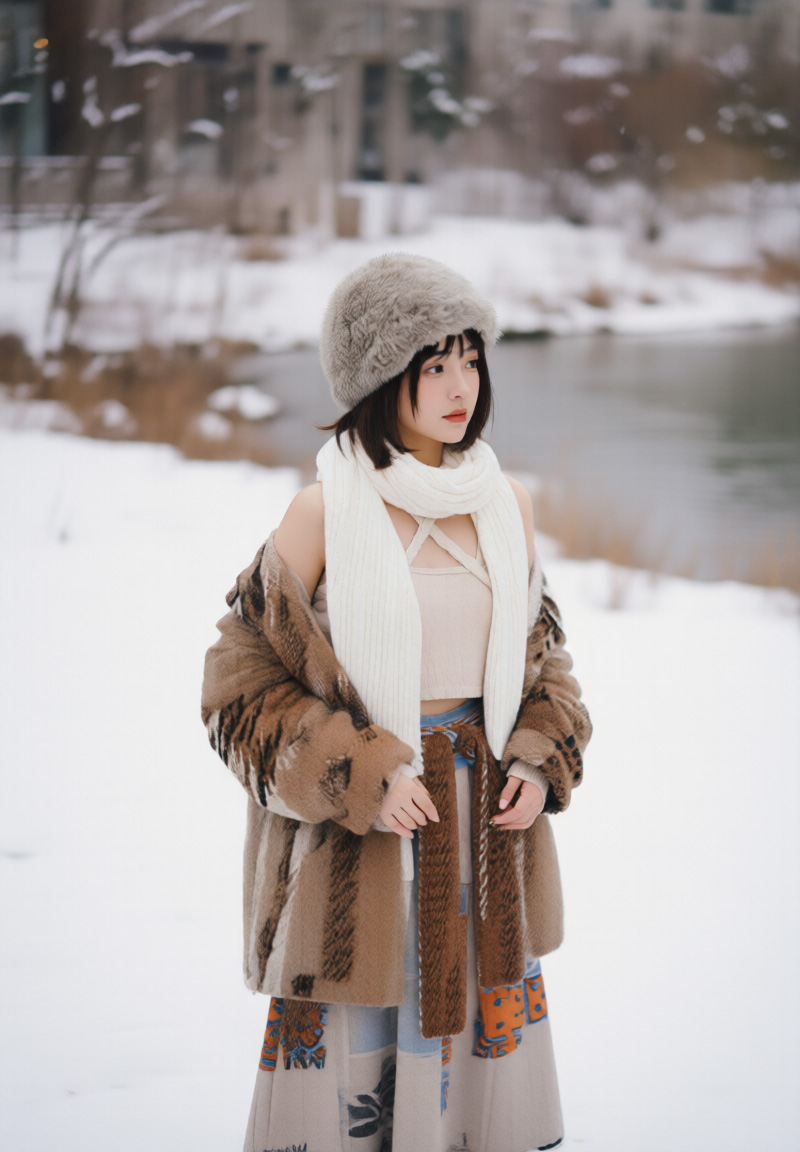
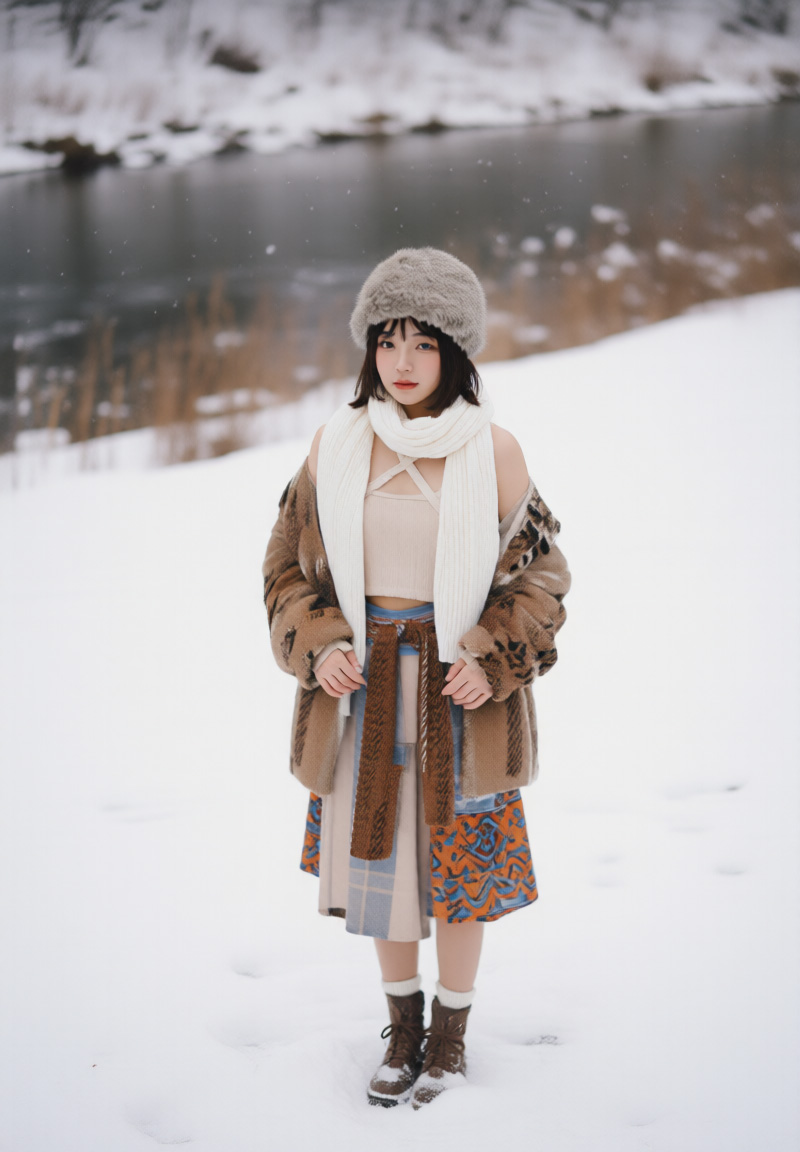
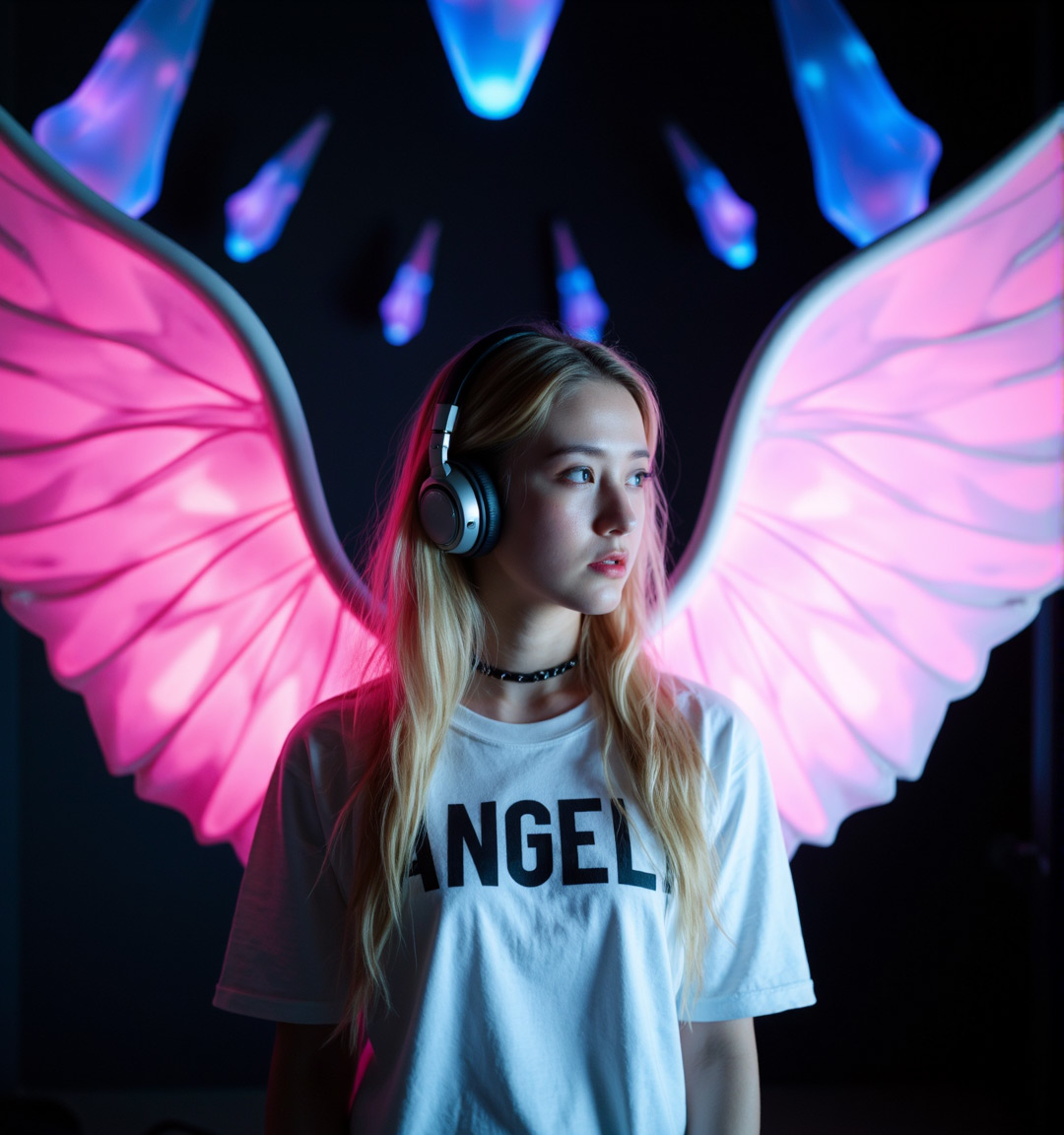
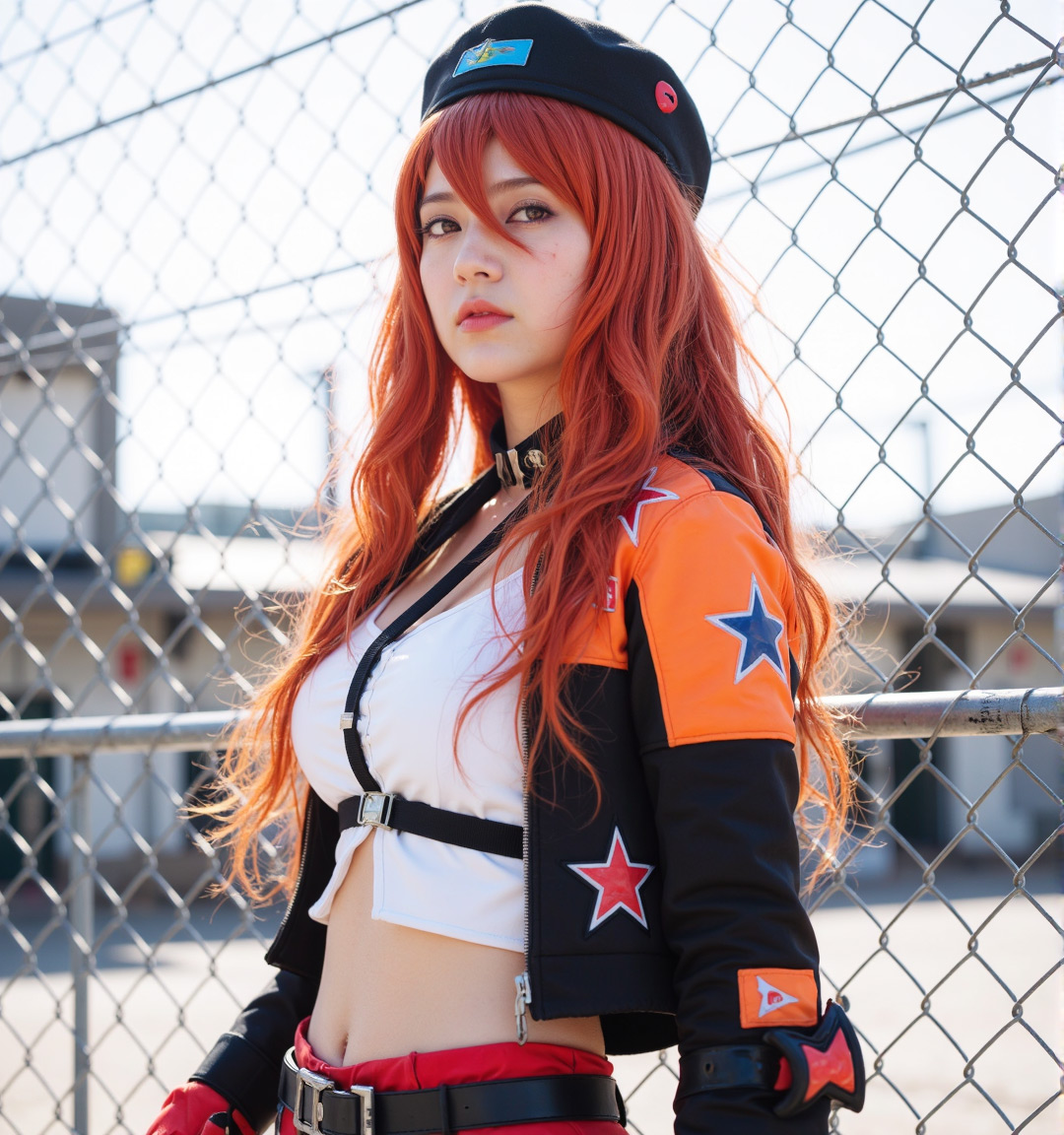
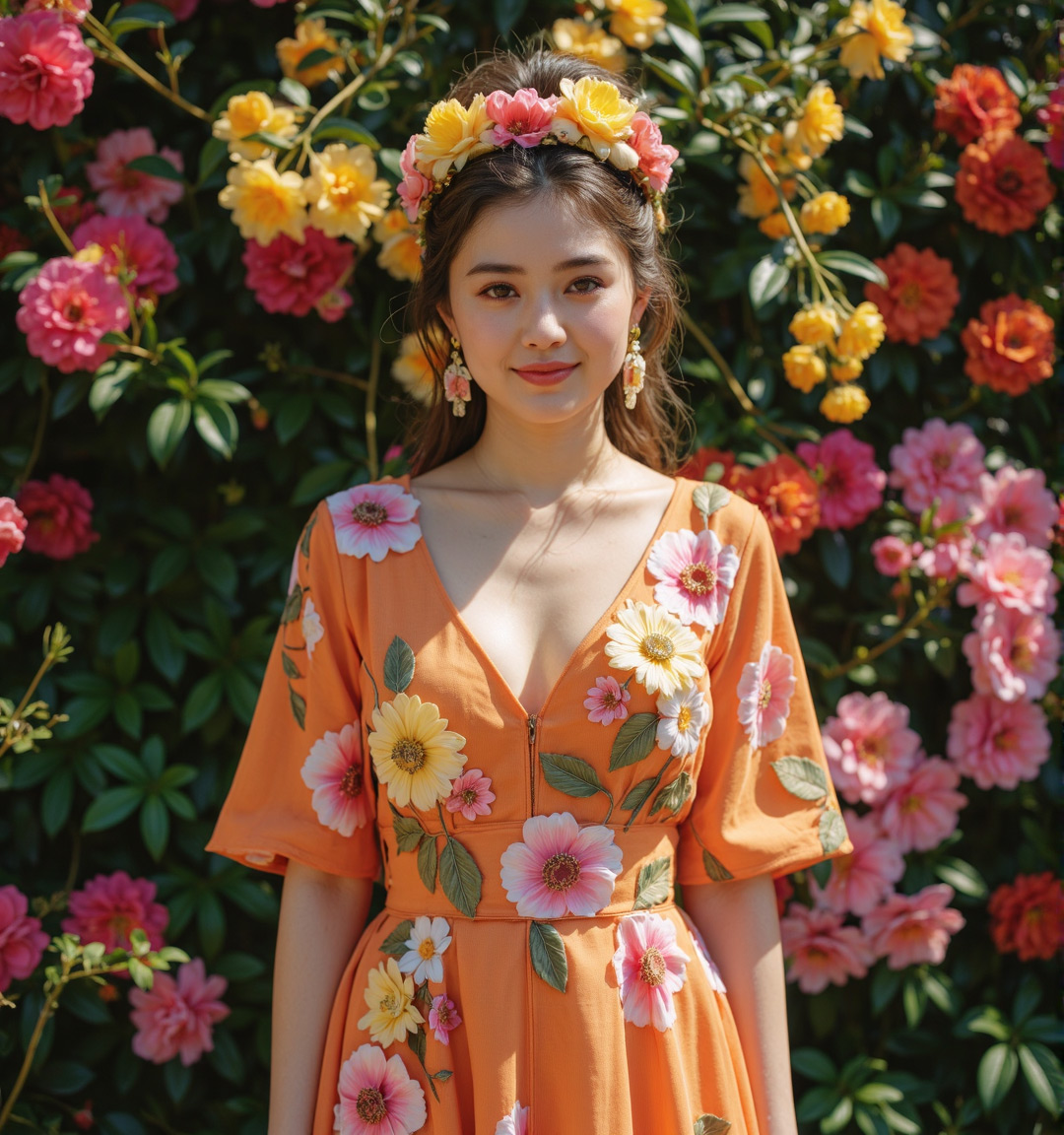
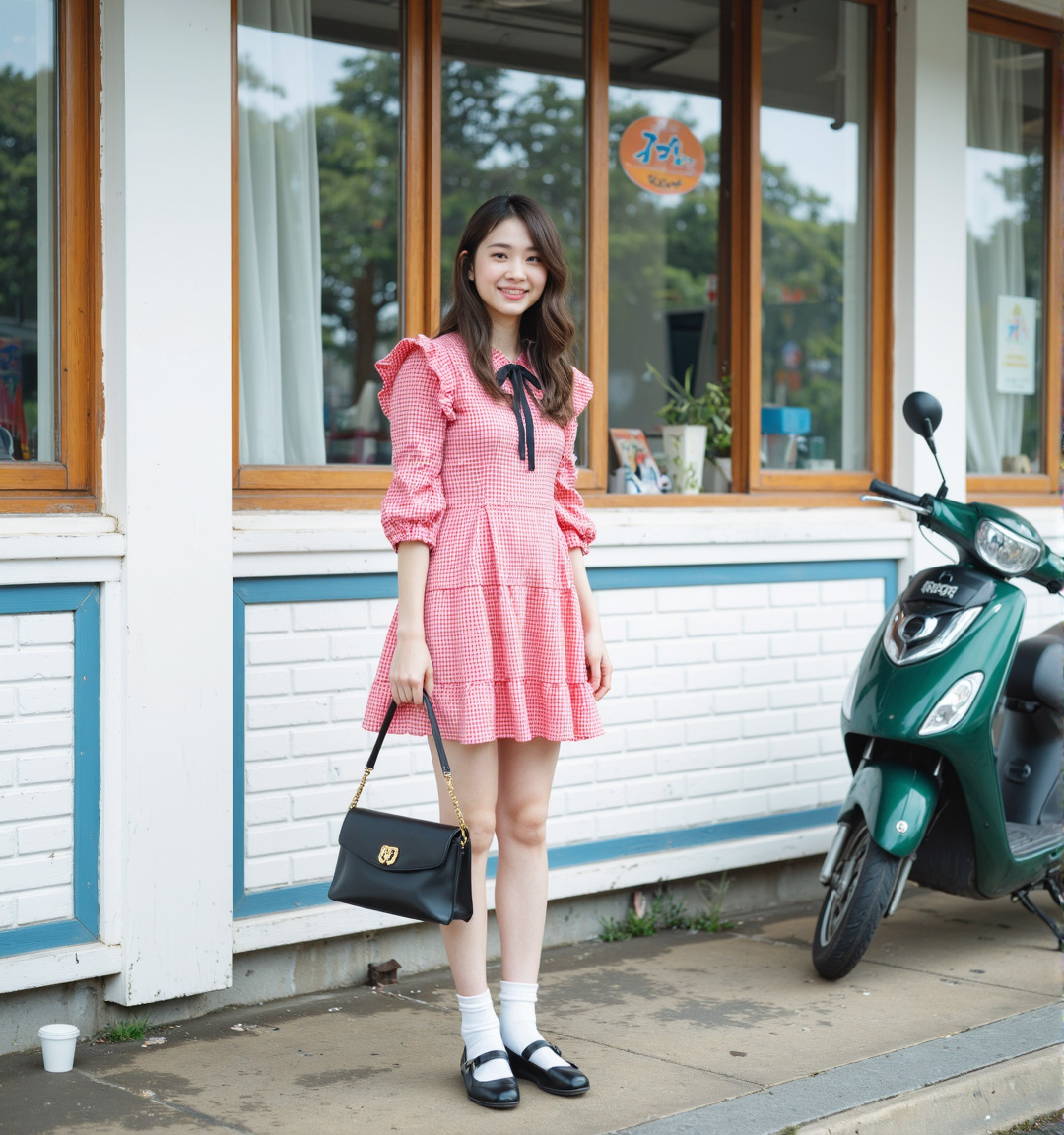
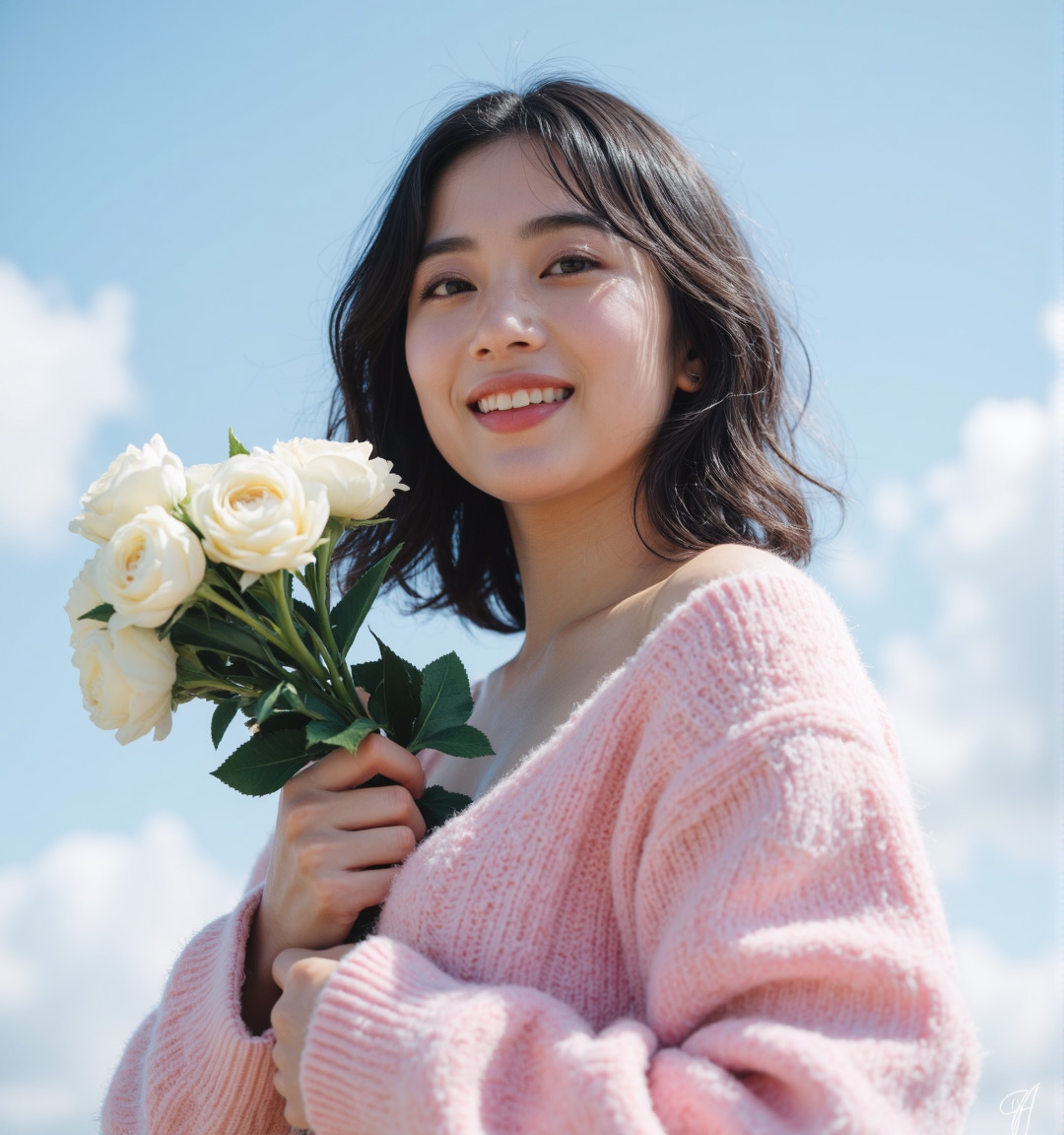
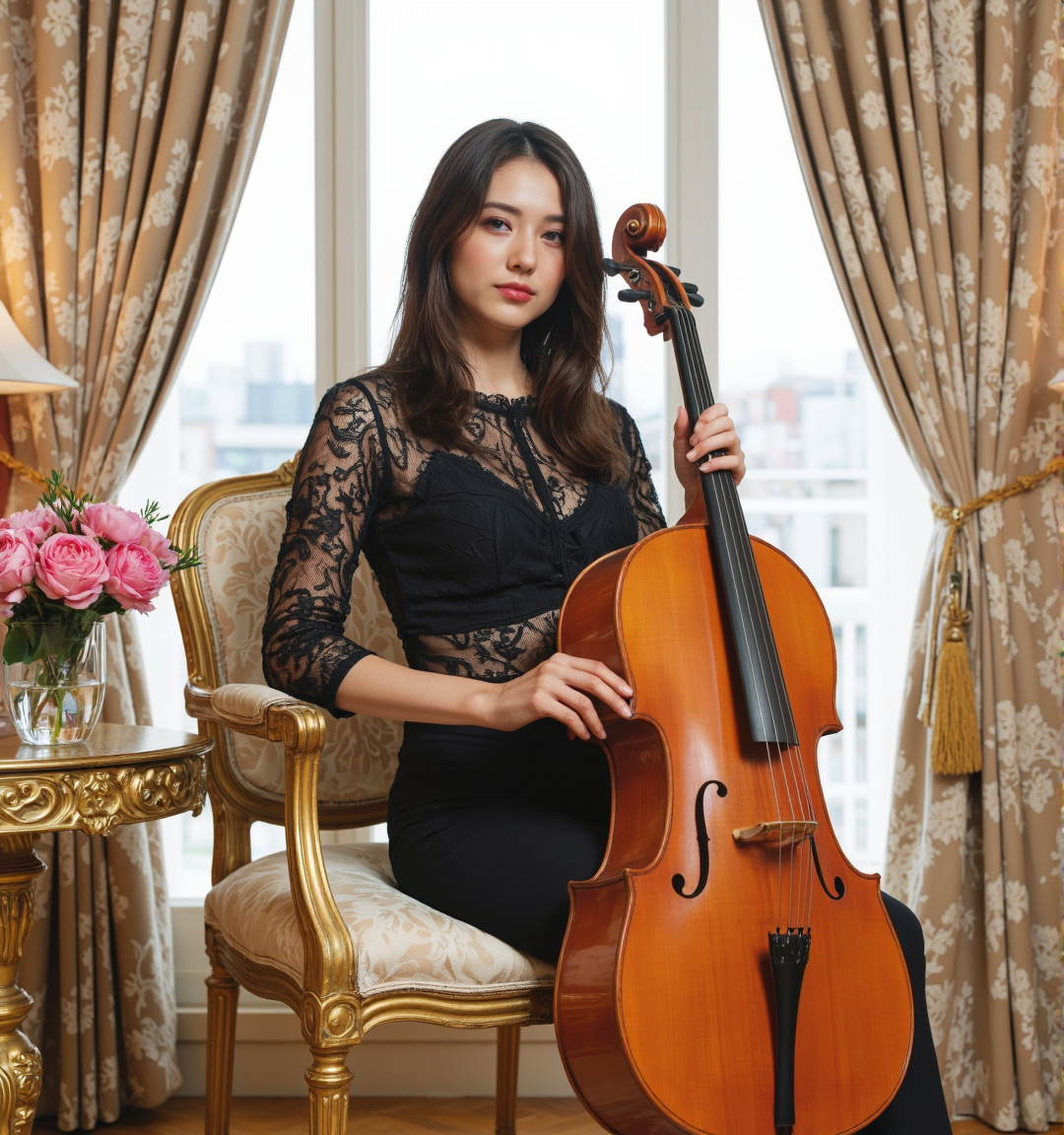
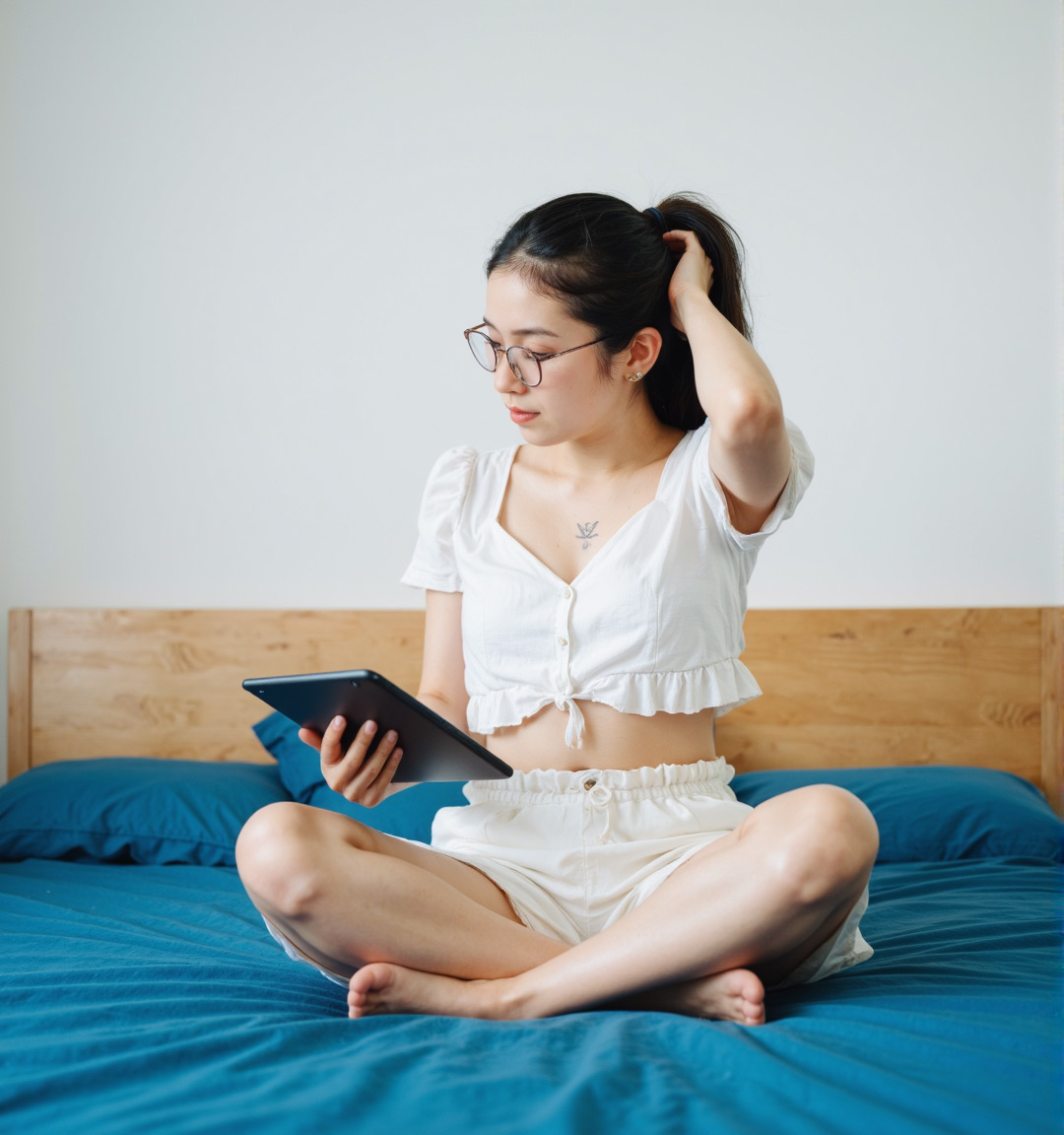
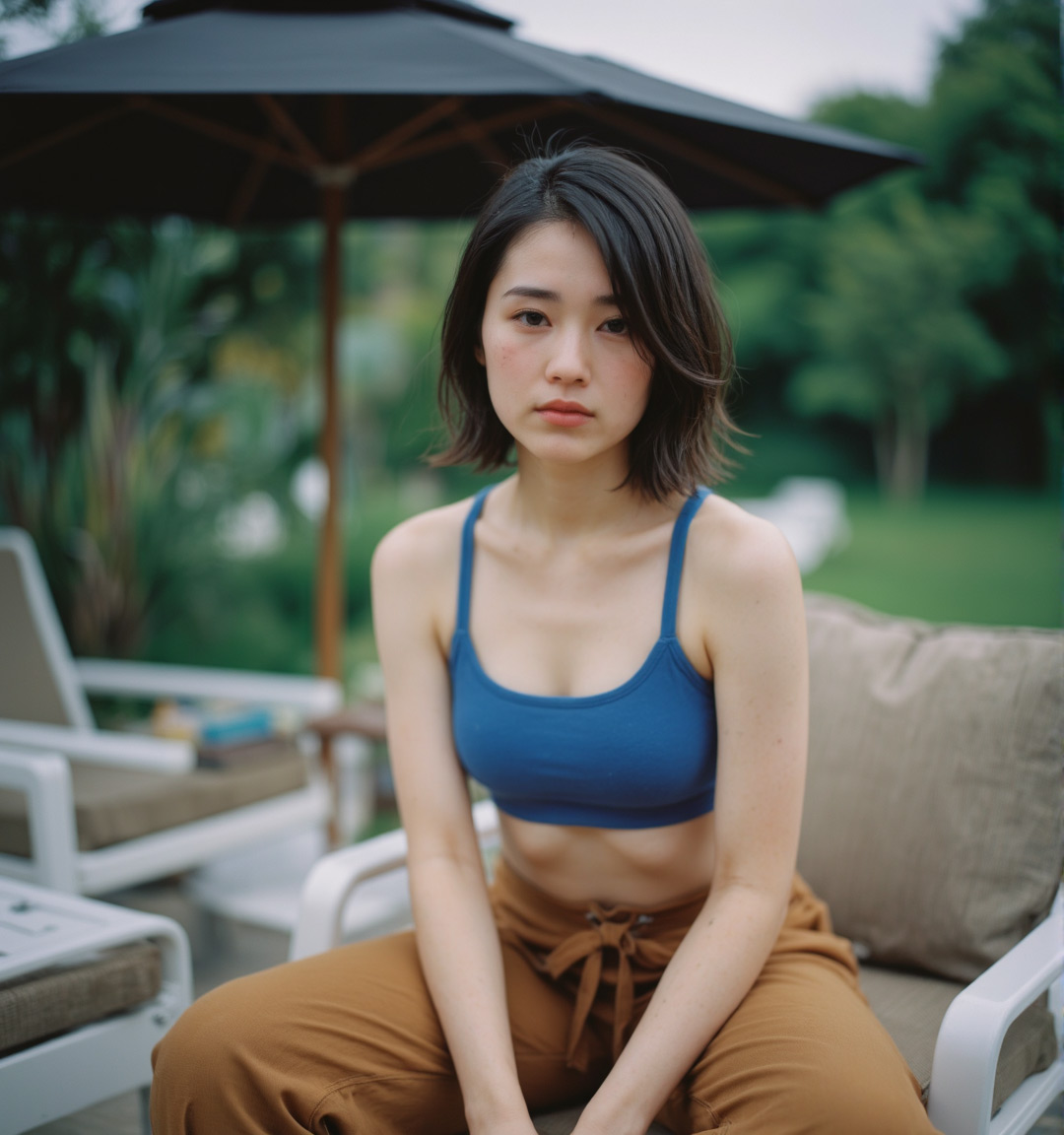
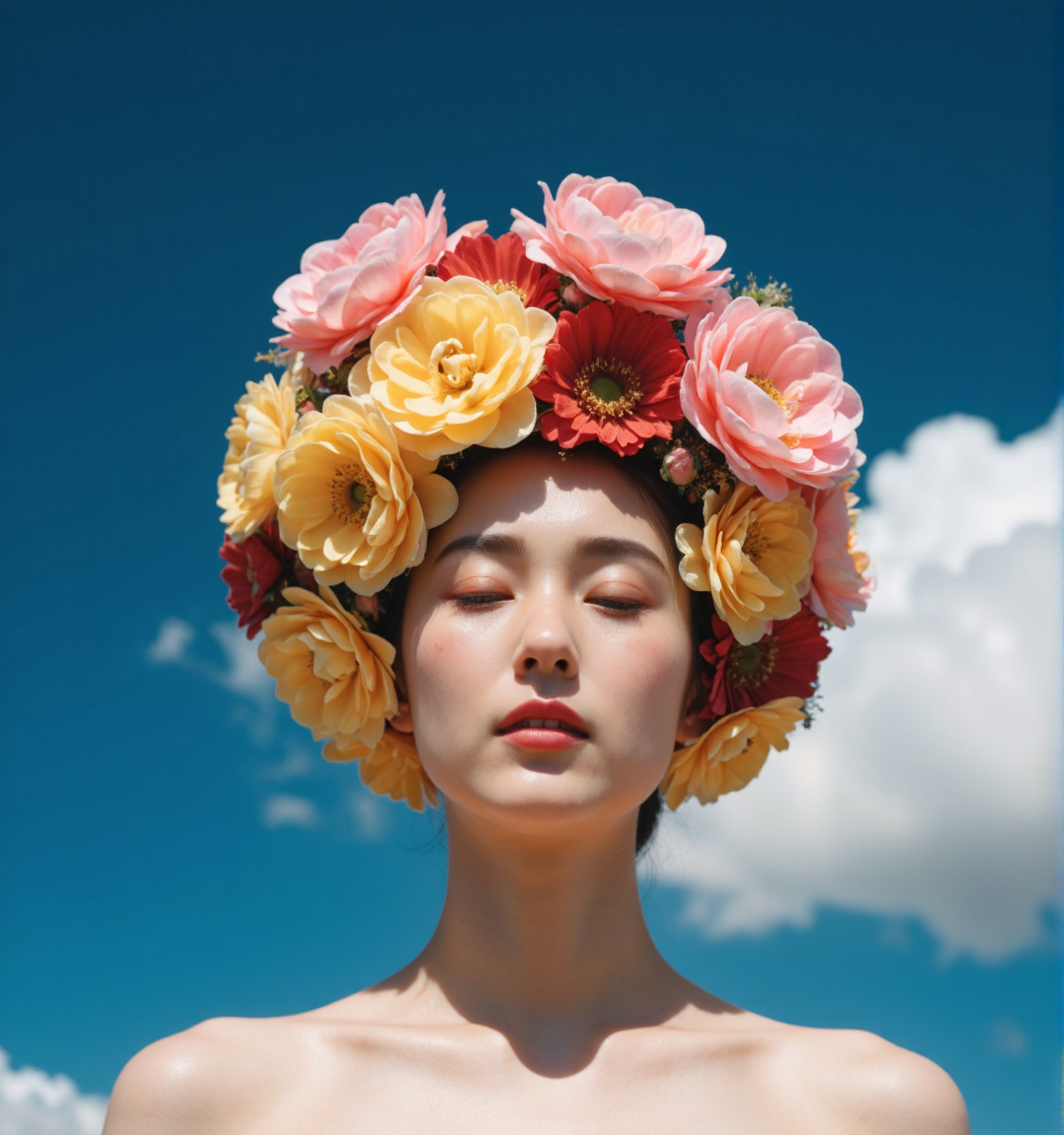
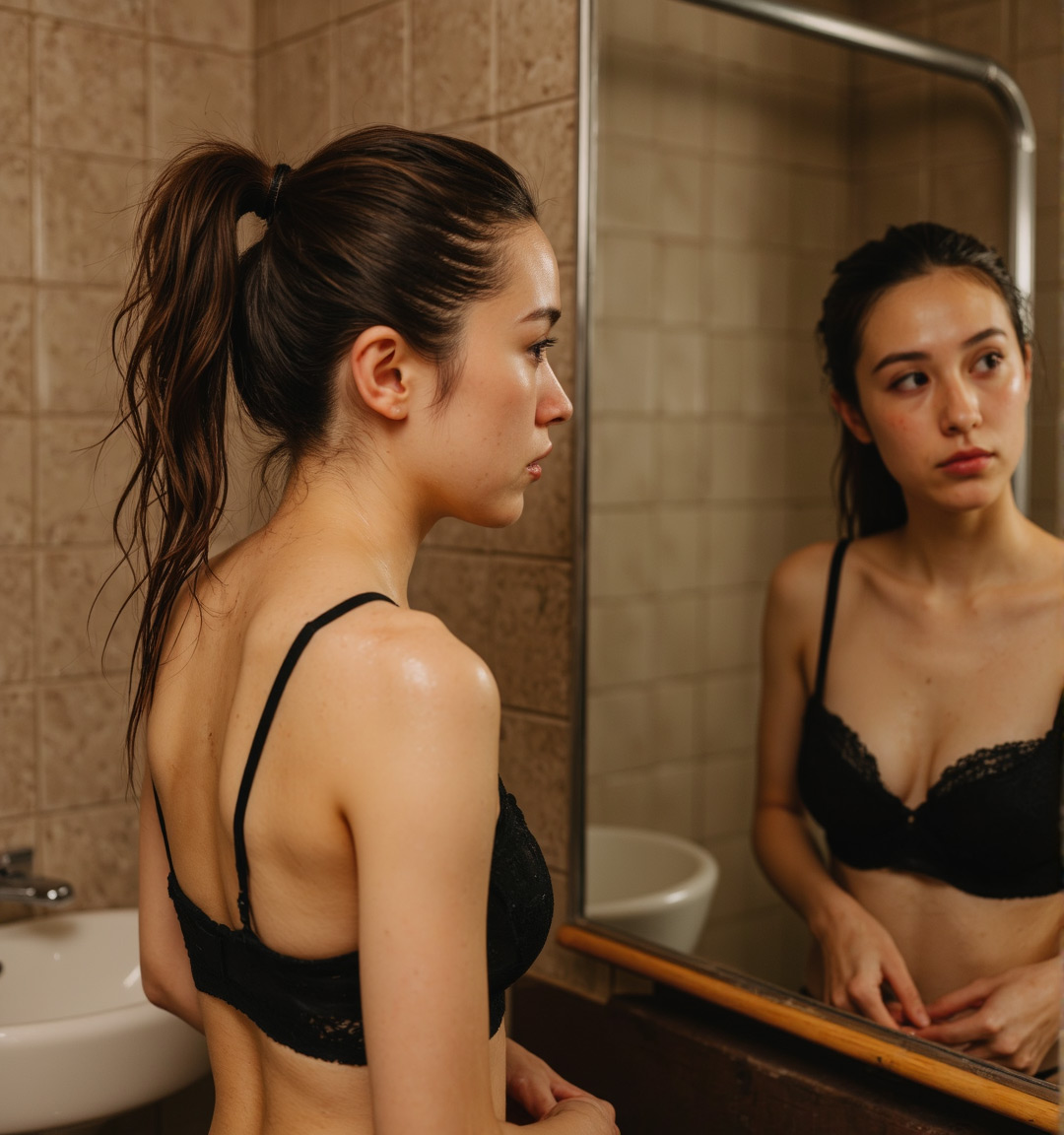
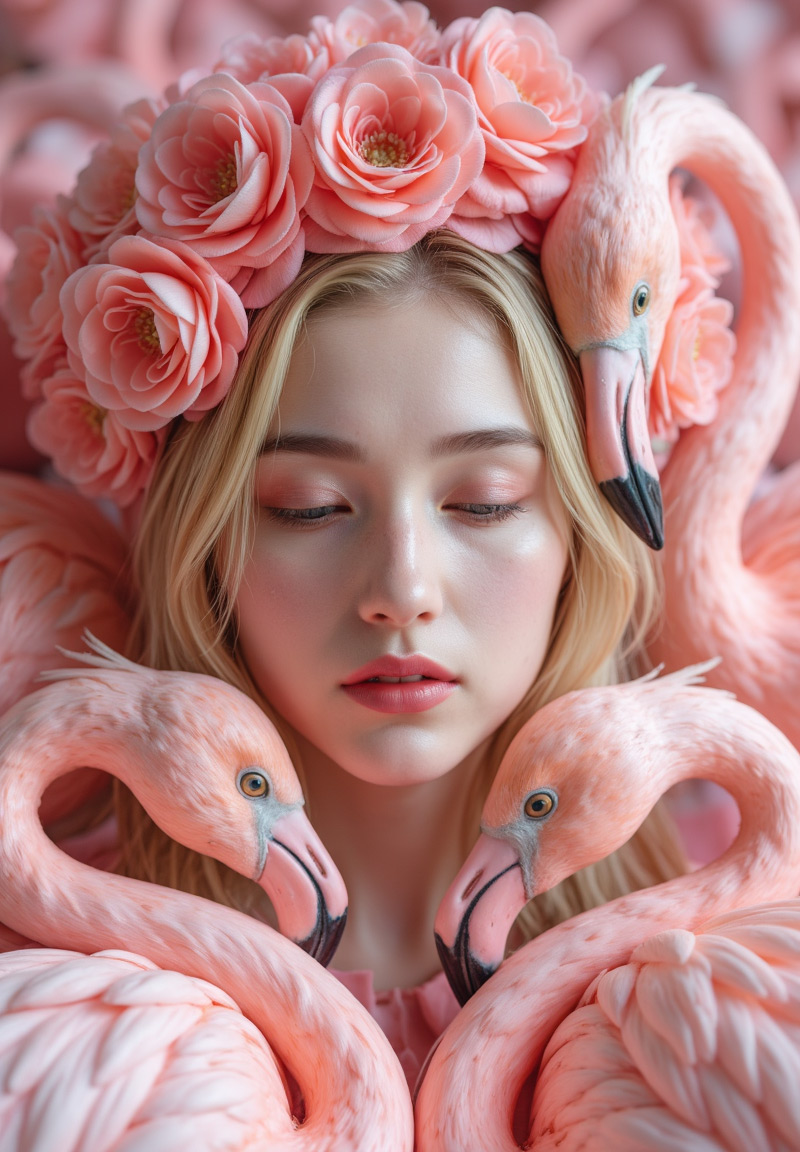
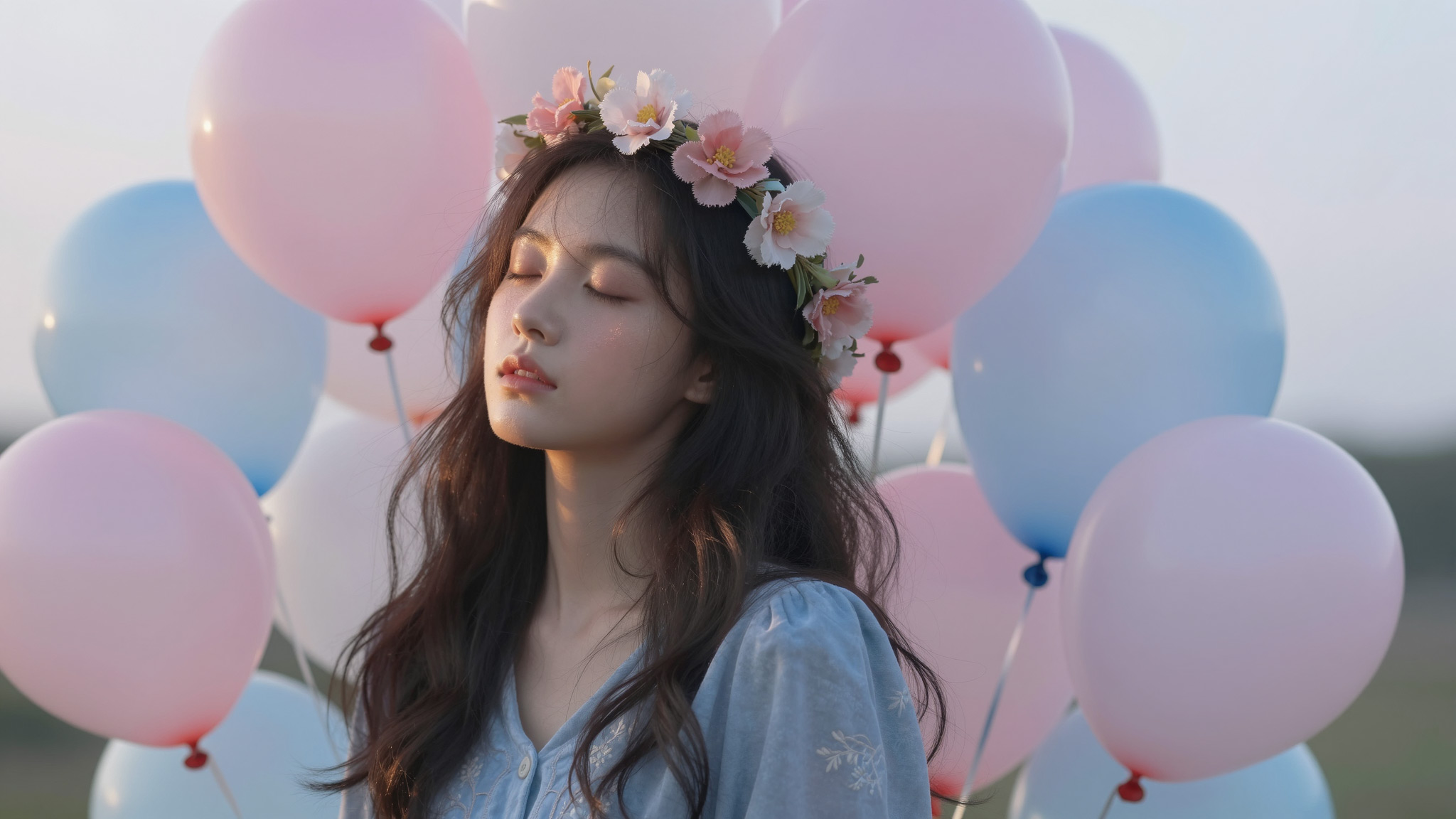
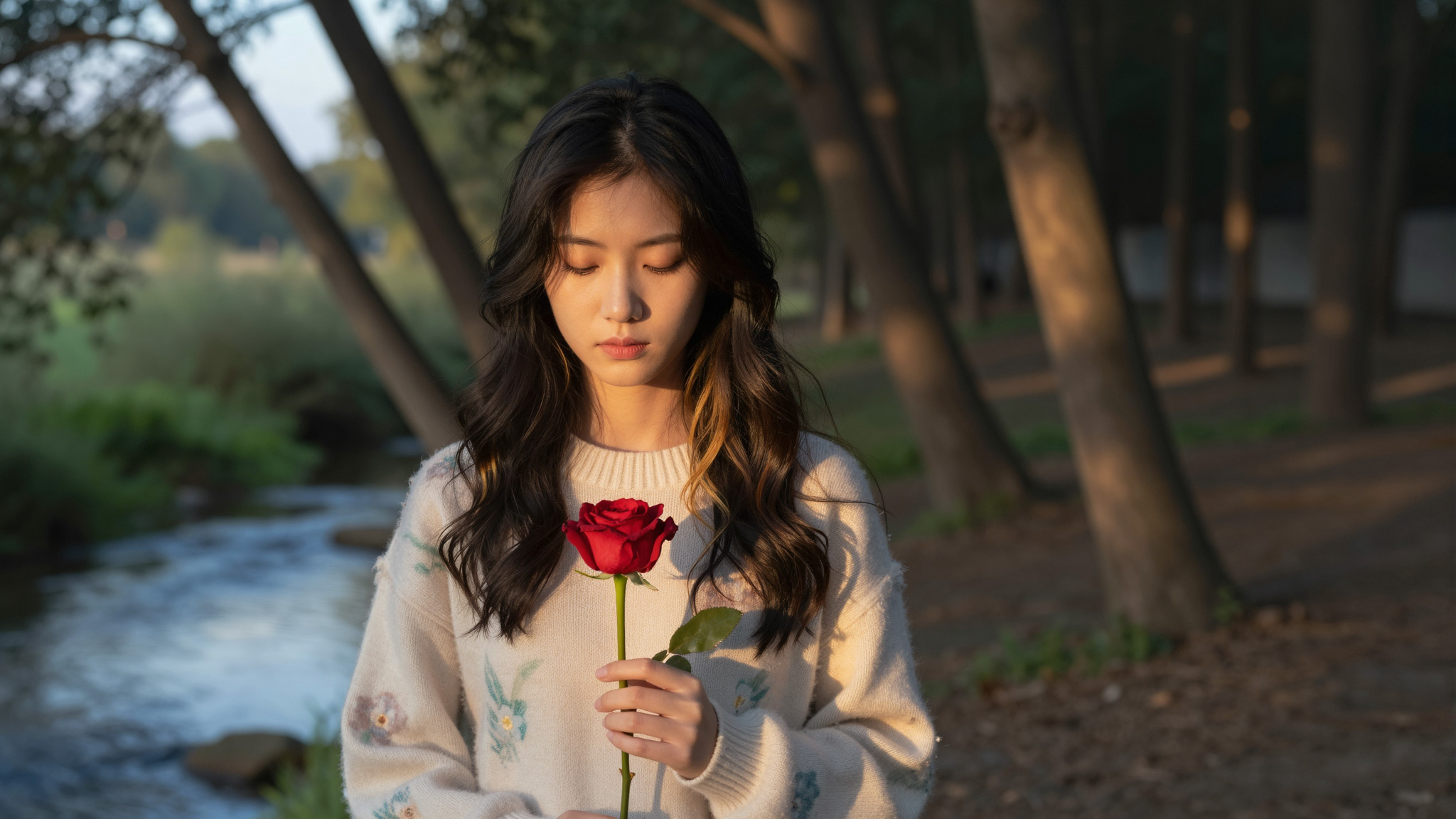
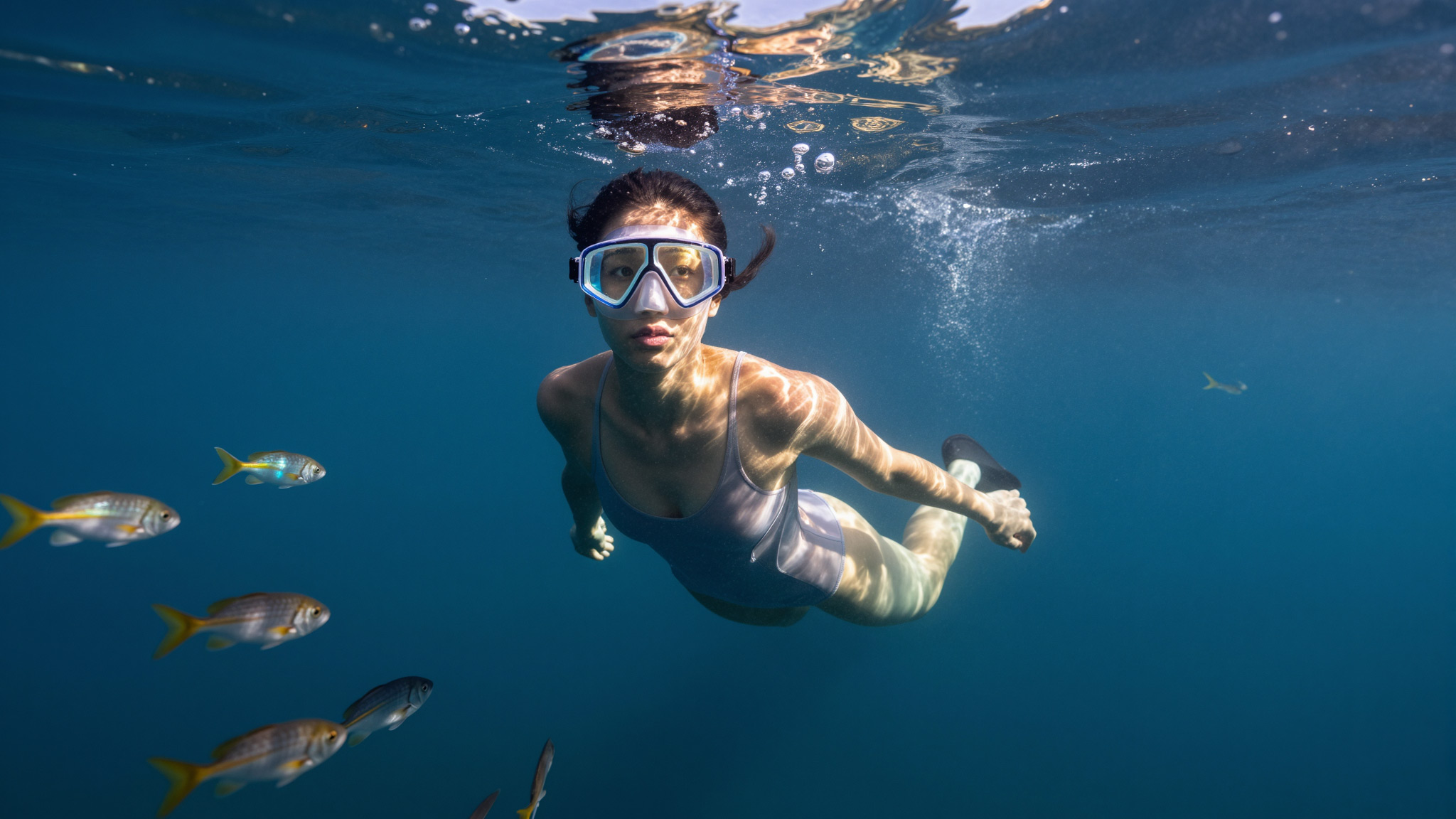
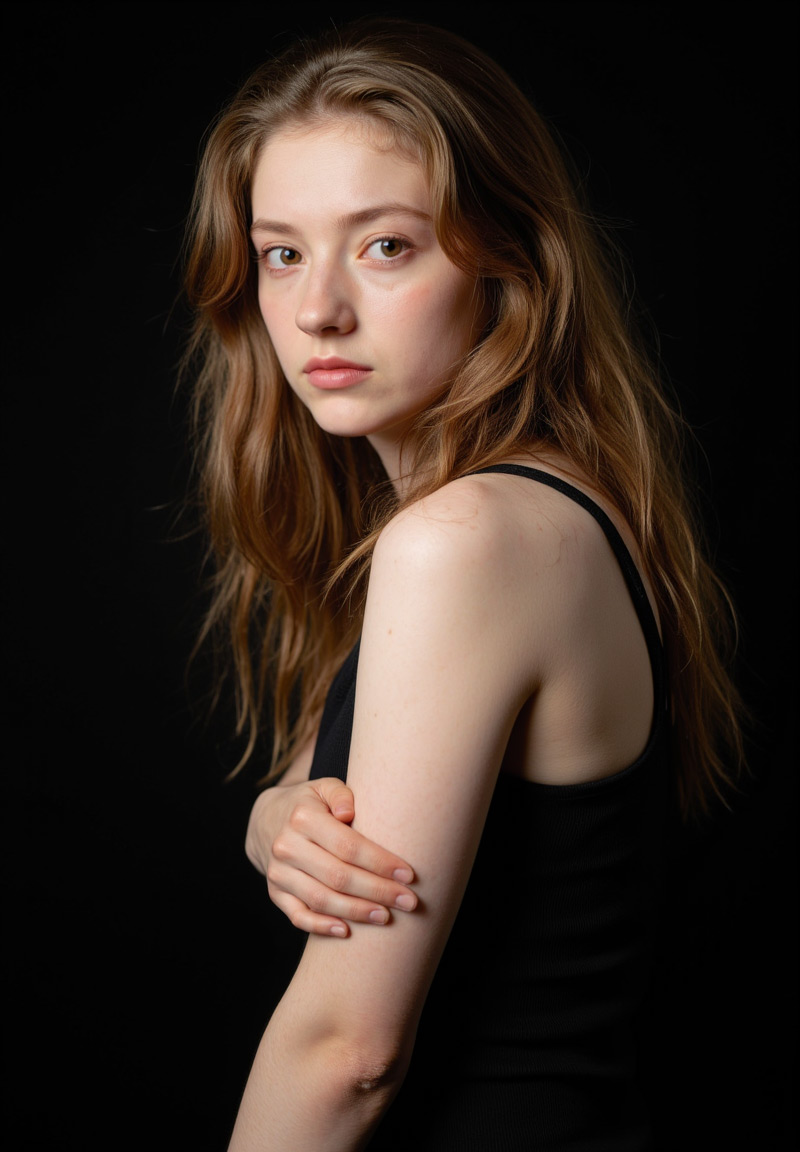
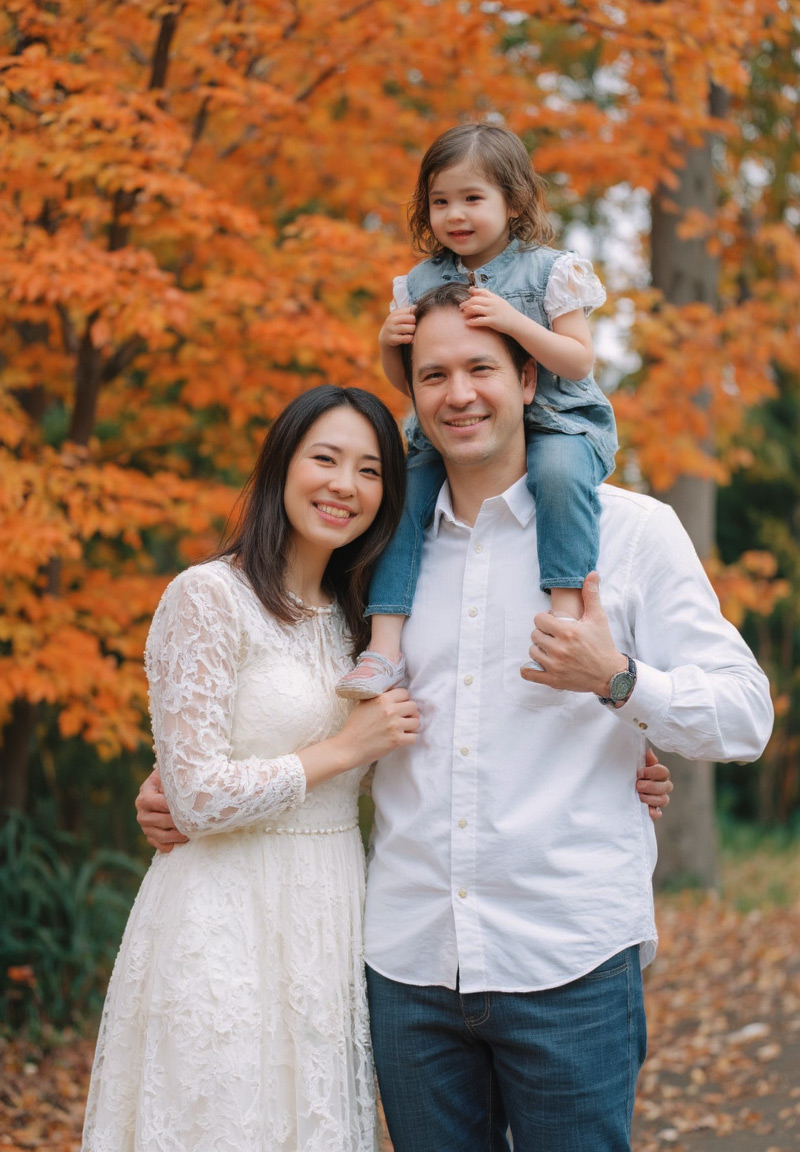
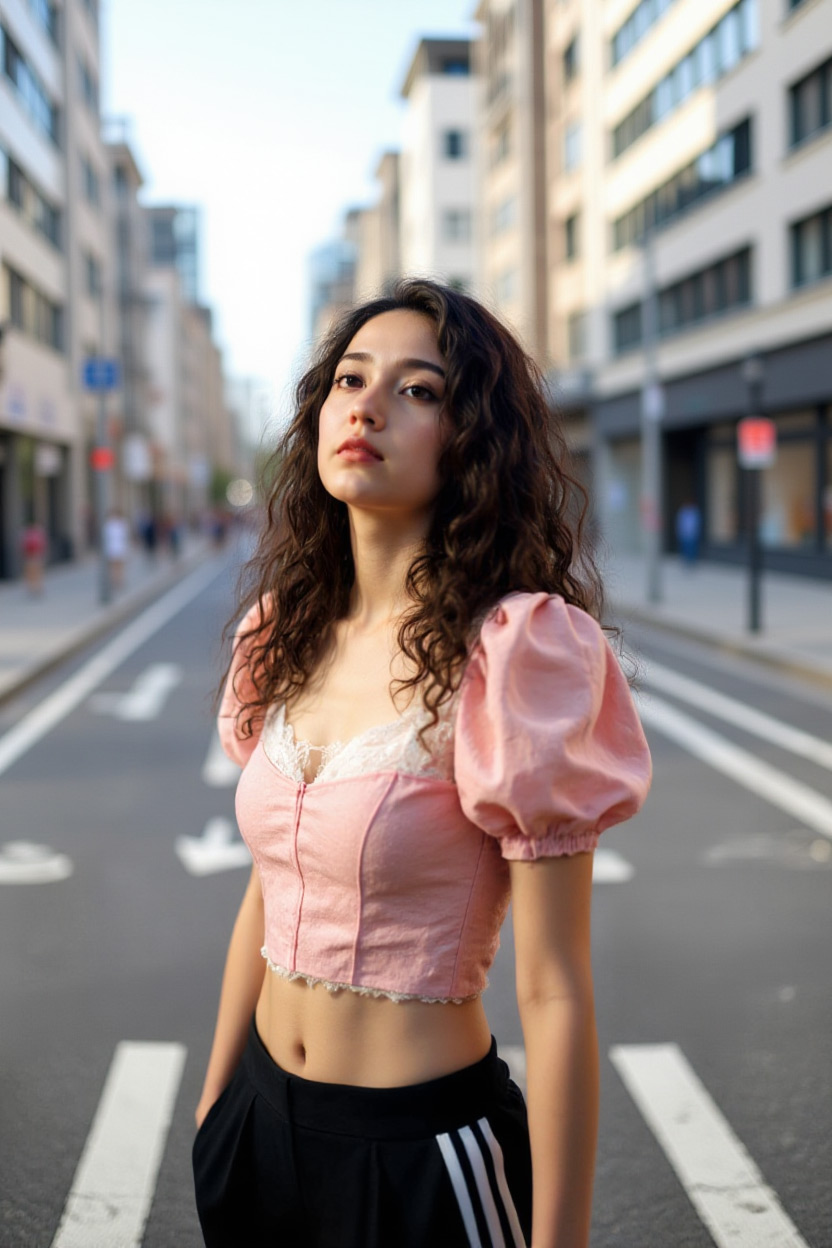
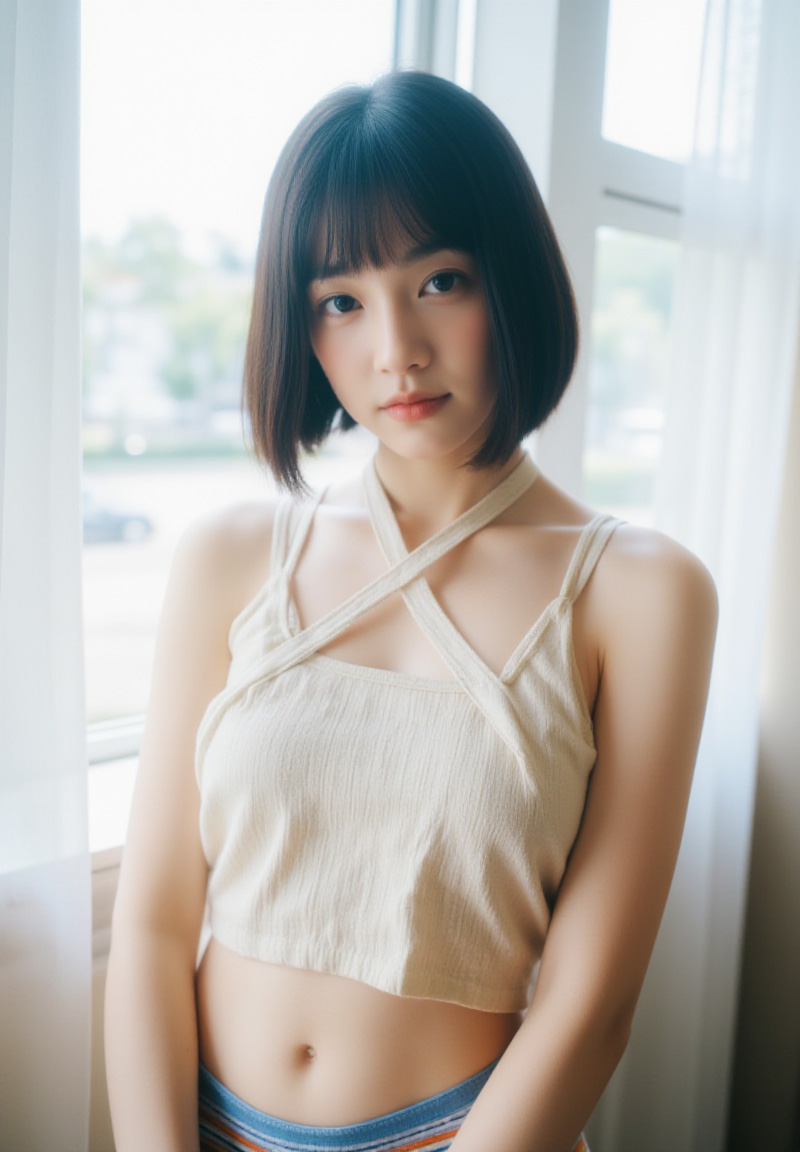
Most people think AI photography is about typing prompts and hoping for a good result. At Malaysia AI, we design images with intention. Our team comes from traditional photography and professional retouching, so we understand lenses, lighting, composition, and color science. AI becomes an extension of the camera, not a replacement for it.
We use depth mapping, reference-guided composition, and custom AI workflows to simulate lenses, reshape depth of field, redesign lighting, and refine color grading beyond what Lightroom and Photoshop alone can achieve. AI removes physical limits—allowing cinematic scenes, restored archives, and impossible environments to be crafted with precision.
This is the next evolution of photography: not just shooting and editing, but designing reality itself. Welcome to AI Photography by Malaysia AI.
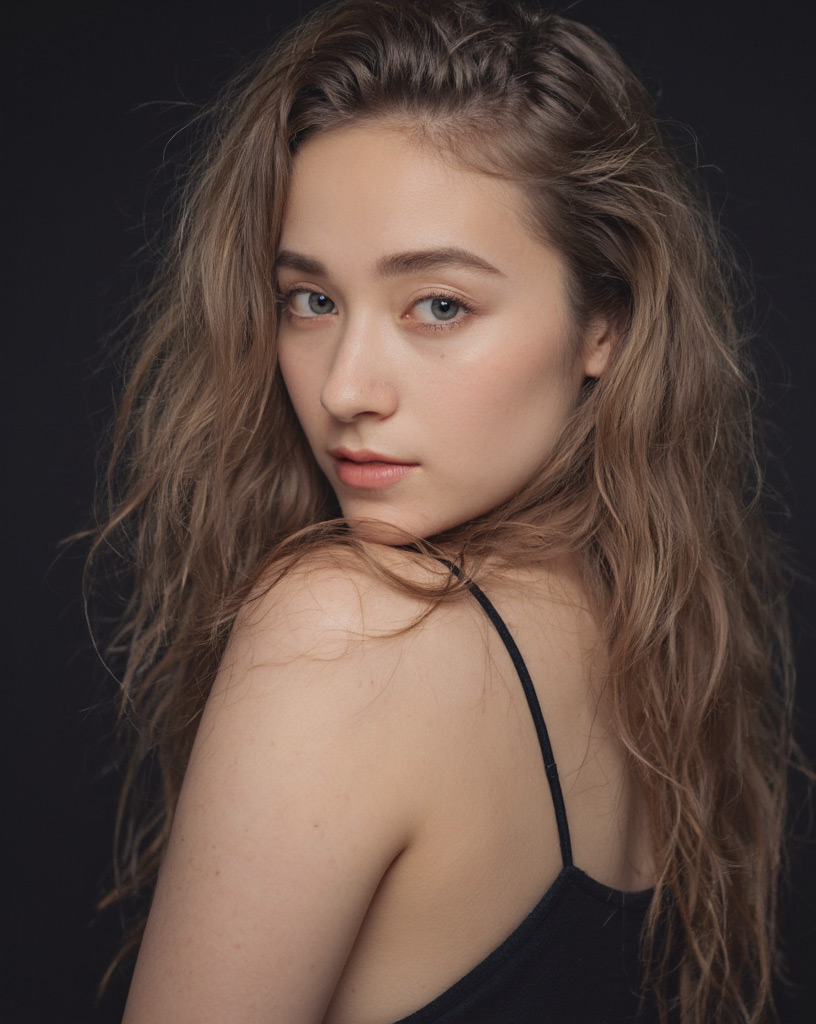
AI Photo Enhancement & Retouching
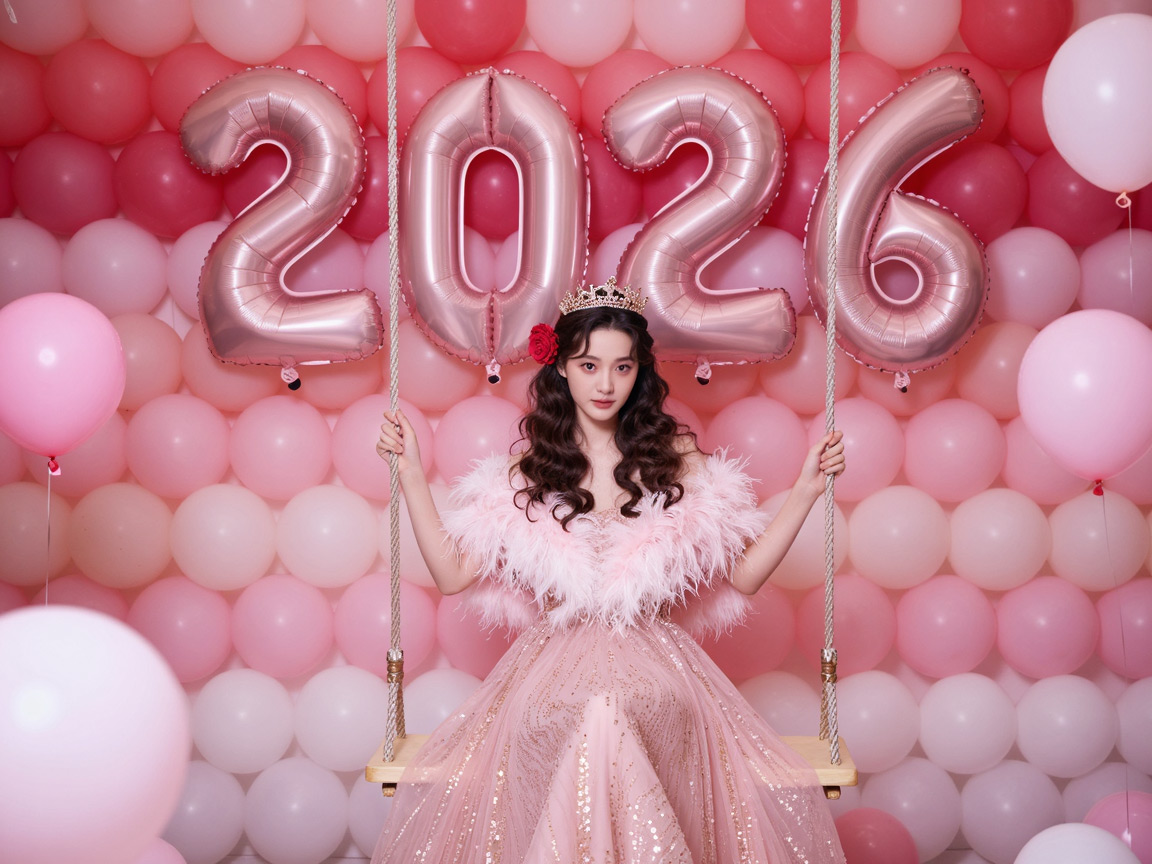
AI Photo Enhancement & Retouching transforms how images are refined, accelerating complex edits with precision and consistency. Tasks that once required meticulous manual work can now be executed efficiently, while maintaining full creative control and professional quality.
From subtle skin refinement and exposure correction to background cleanup and object removal, AI understands image context and structure. This enables natural, non-destructive enhancements that preserve texture, realism, and artistic intent—without the artificial, overprocessed look.
For portraits, product photography, fashion, and marketing visuals, AI retouching streamlines production while elevating visual quality. Complex corrections such as recovering highlights, refining reflections, and reshaping elements can be achieved with accuracy and control.
At Malaysia AI, we combine advanced AI workflows with professional retouching expertise to deliver results that go beyond automation. Every image is carefully refined to retain character, realism, and visual impact.
AI Photo Restoration & Reconstruction
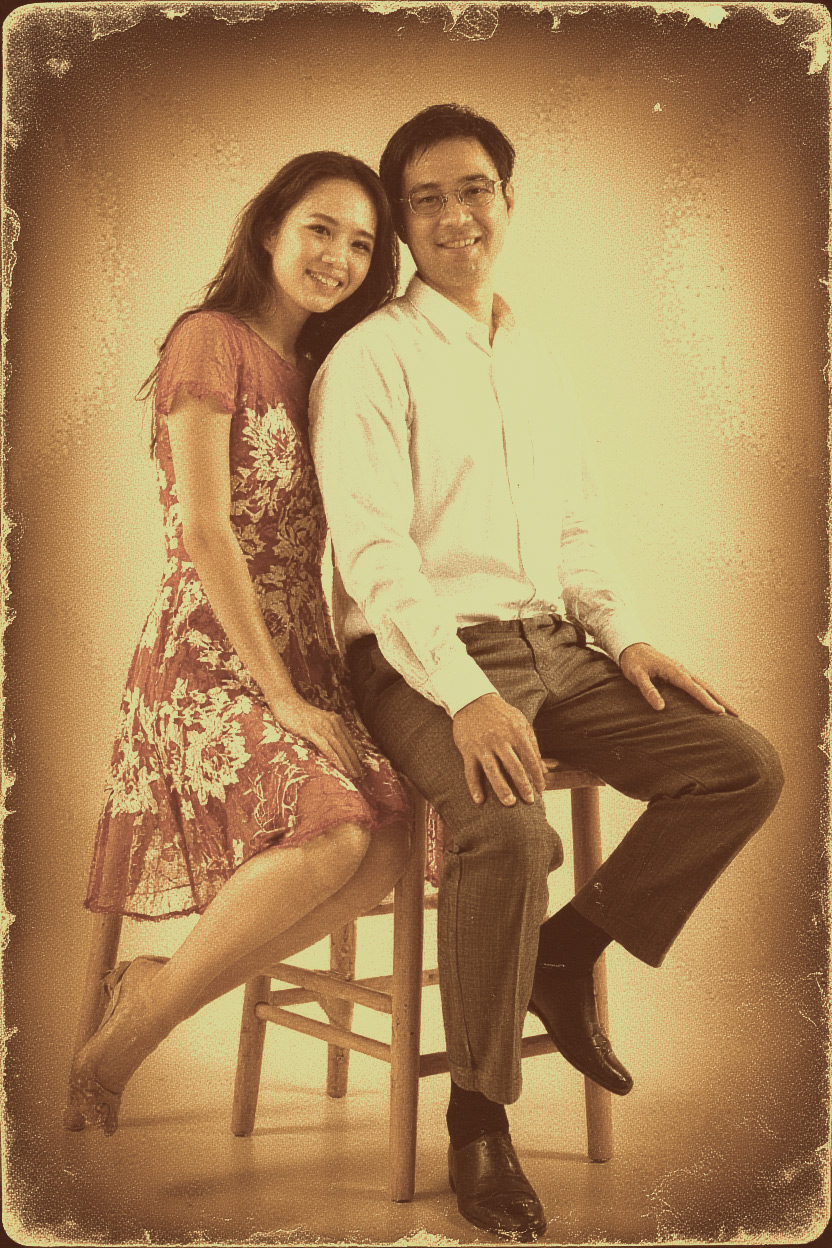
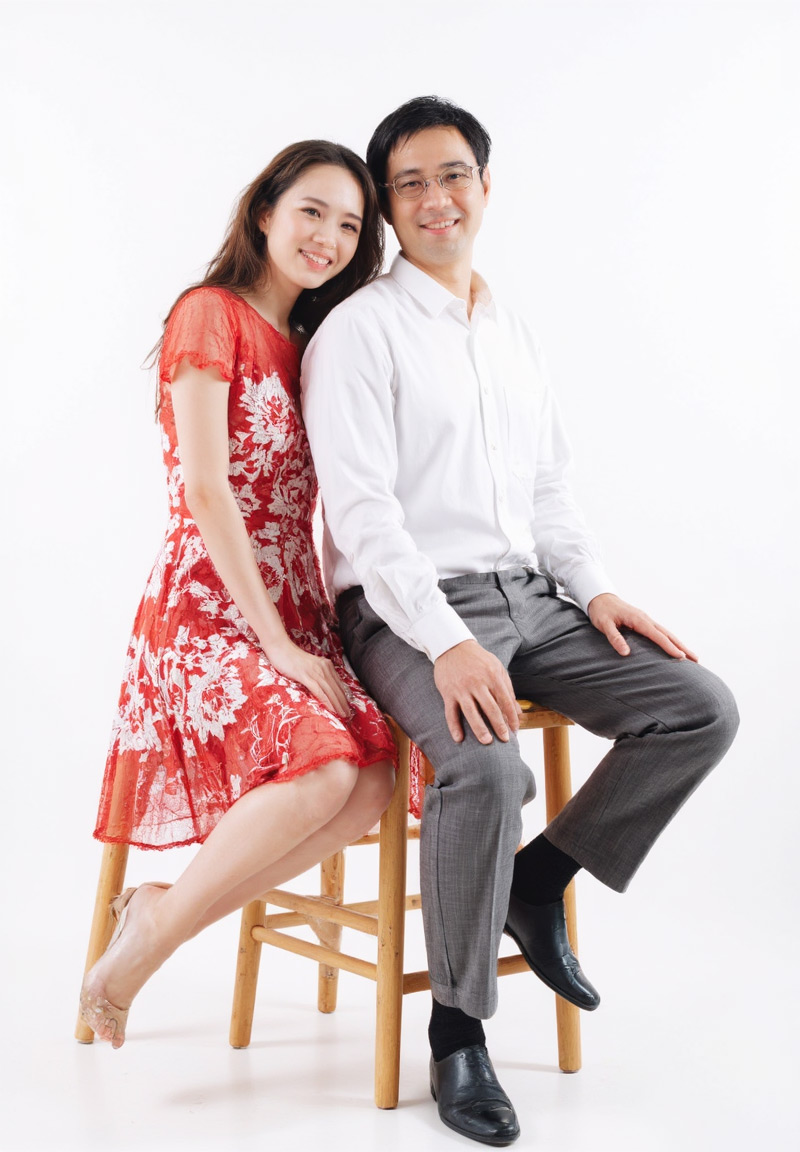
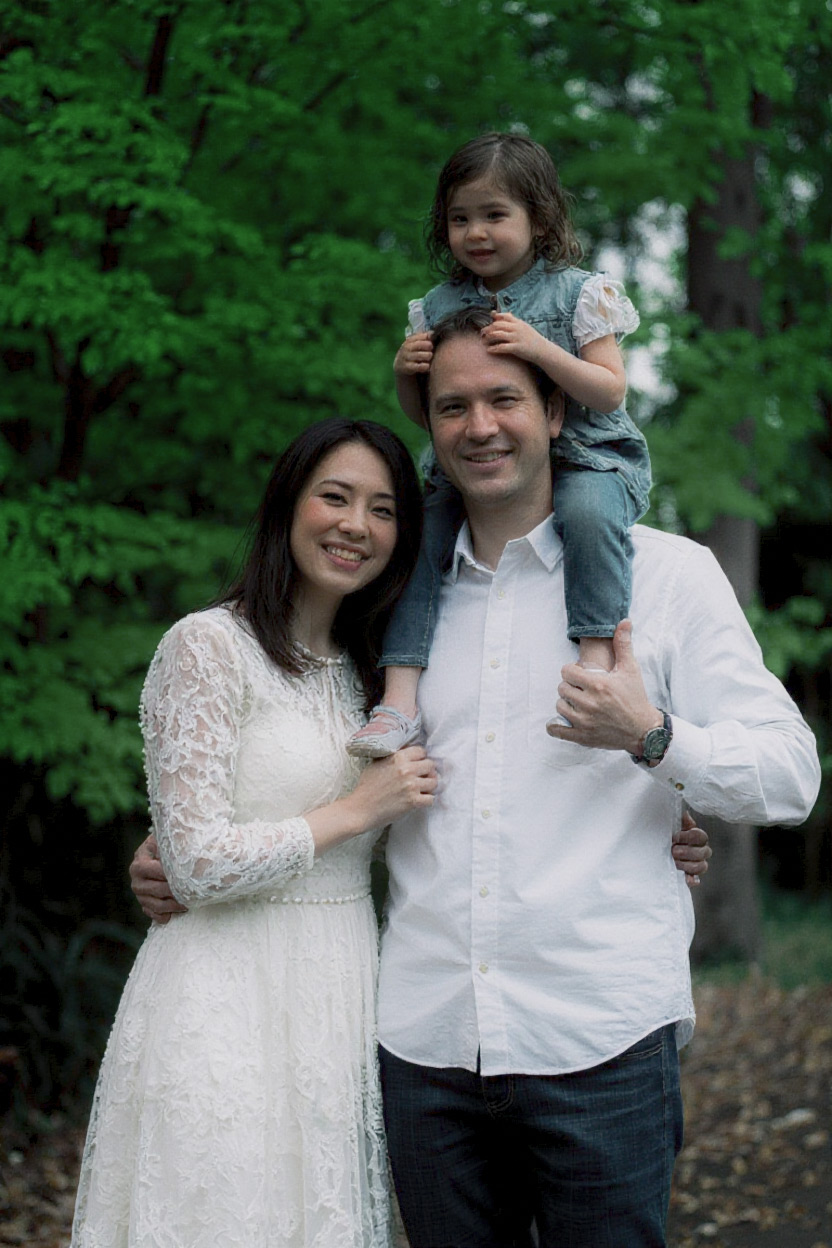
AI Photo Restoration & Reconstruction revives damaged, faded, and low-resolution photographs with precision. Using advanced AI models, we recover detail, repair imperfections, and reconstruct missing visual information while preserving the original character of the image.
Old family portraits, vintage prints, and archival photographs can be digitally restored with refined clarity. From repairing cracks and stains to rebuilding textures and facial details, the process maintains authenticity while enhancing sharpness and visual depth.
Ideal for personal archives, historical preservation, and professional digitization, AI restoration transforms fragile imagery into high-quality digital assets ready for print, display, and long-term preservation.
AI Relighting & Color Science
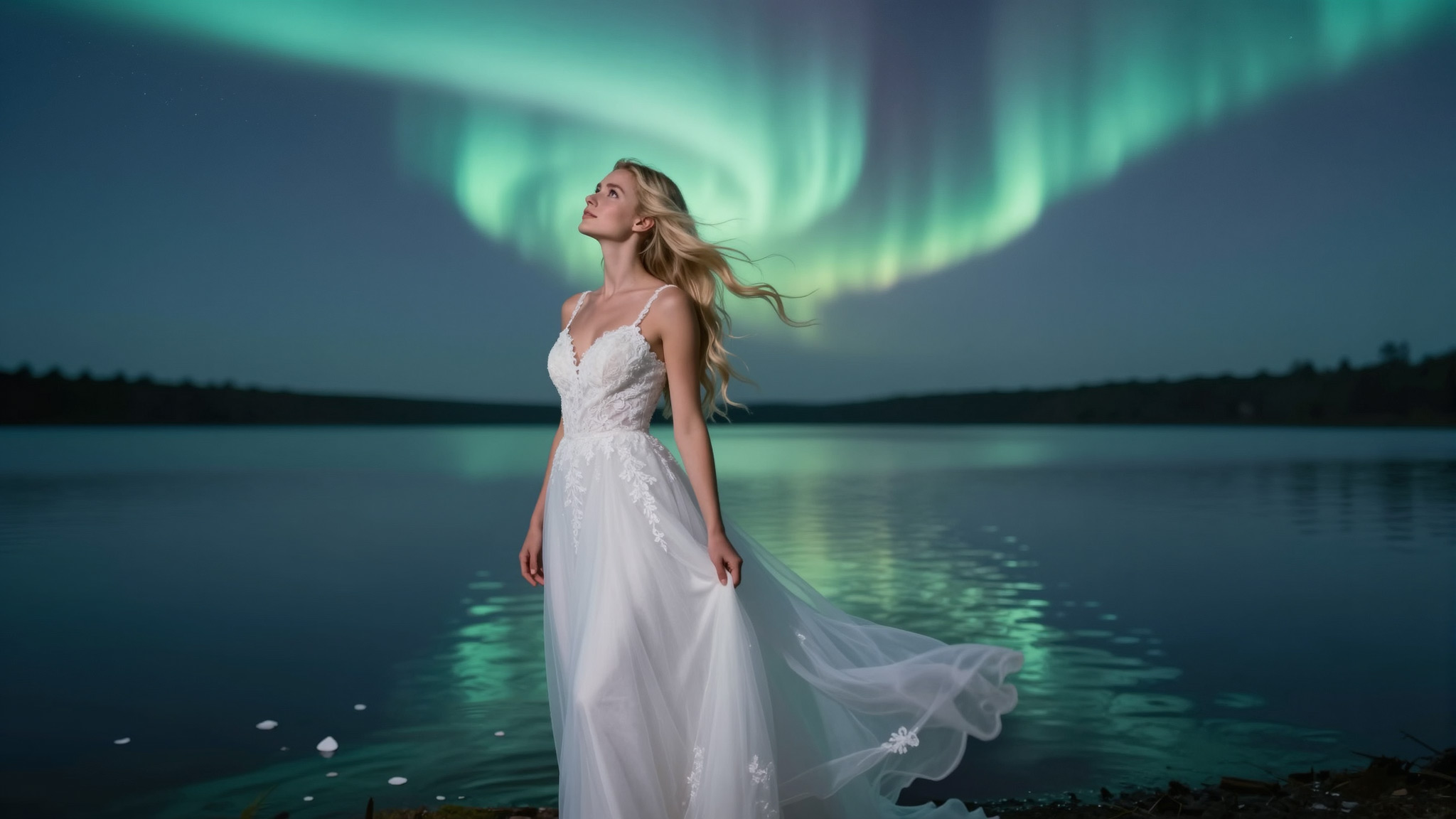
AI Relighting & Color Science enables precise control over lighting and color without reshooting. By analyzing depth, structure, and scene context, AI can reshape illumination, adjust shadow direction, enhance highlights, and simulate new light sources with realistic consistency.
Lighting conditions can be corrected or redesigned entirely—balancing exposure, softening harsh light, or creating dramatic cinematic setups that would normally require complex studio rigs. This allows photographers and creators to redesign the visual mood after the shot is taken.
AI-driven color science further refines the image with intelligent grading. From cinematic film tones to modern editorial palettes, AI ensures color harmony, consistency, and natural skin tones across every frame.
Together, relighting and AI color grading redefine post-production, shifting photography from simple correction to full visual design—where light, mood, and atmosphere are crafted with precision.
AI Camera, Lens & Pose Simulation
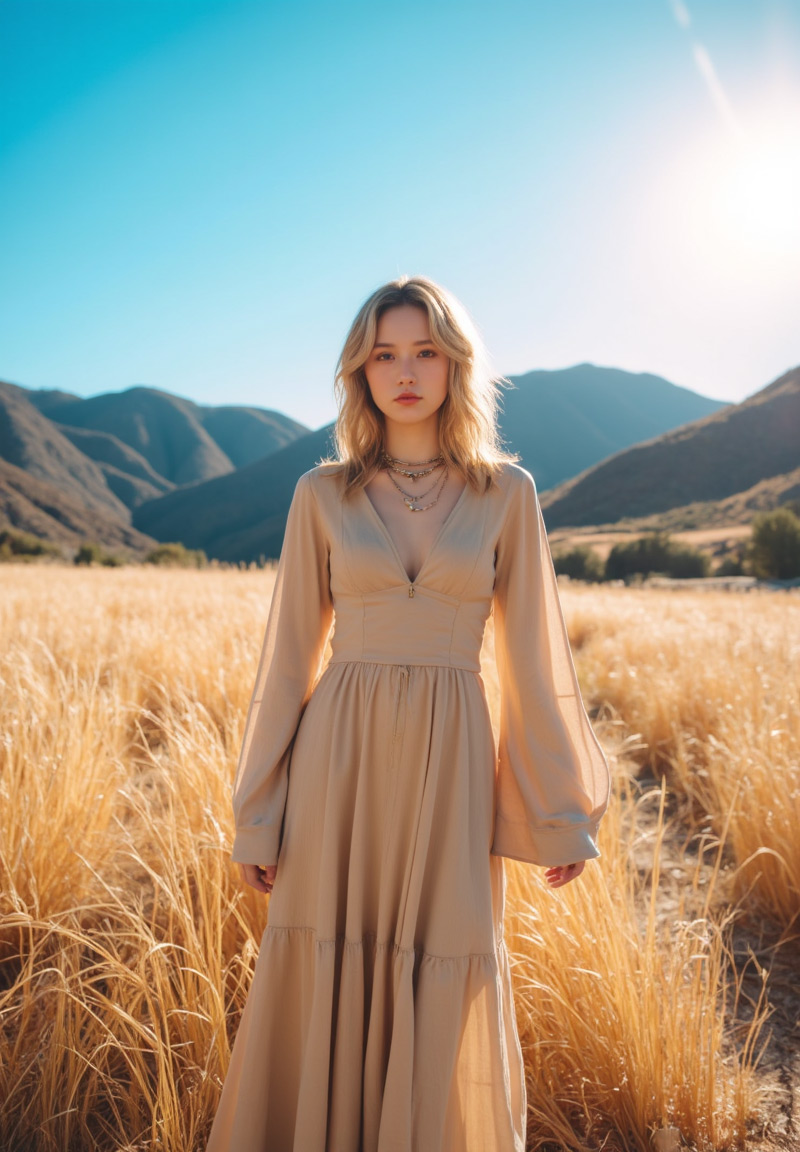
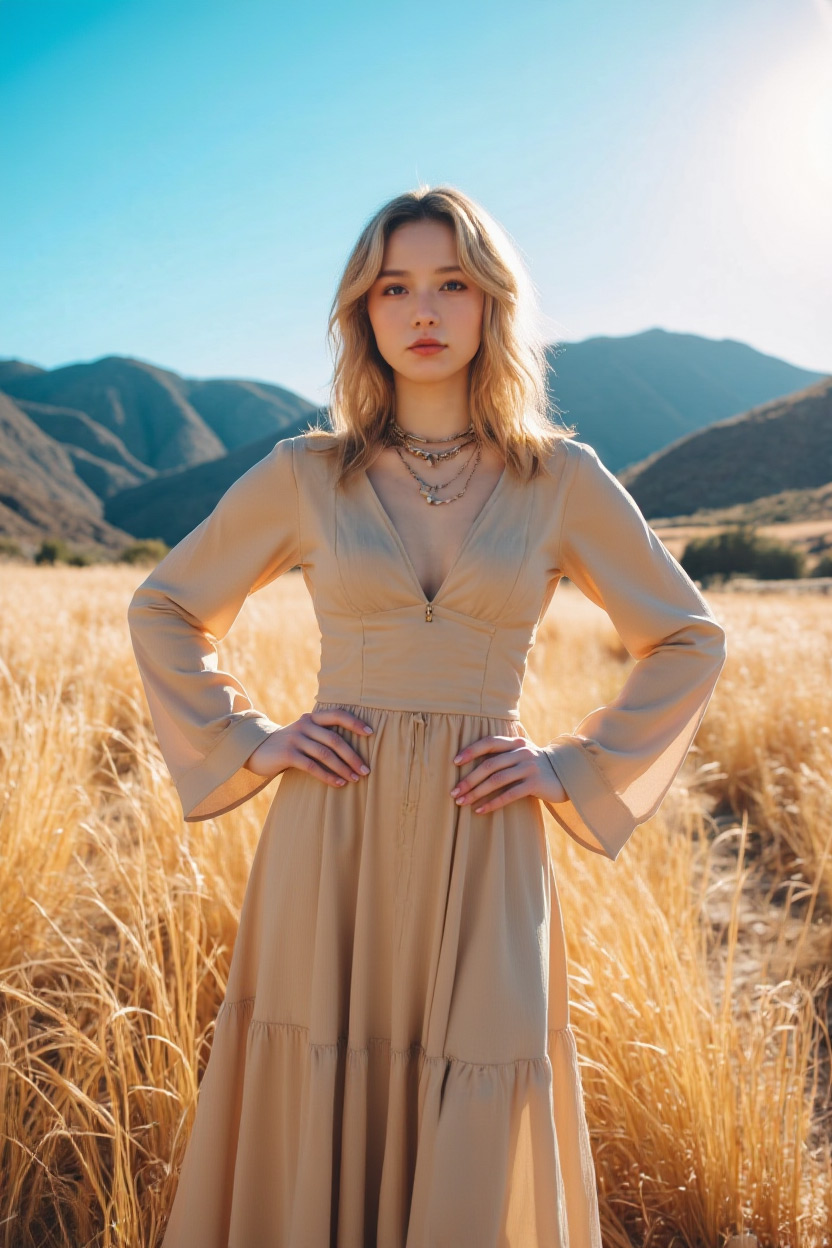
AI Camera, Lens & Pose Simulation allows images to be reshaped after the shutter is pressed. By understanding 3D structure, perspective, and subject geometry, AI can adjust pose, reframe composition, and simulate camera movement without reshooting.
Subjects can be subtly repositioned, expressions refined, and body orientation corrected while preserving realistic anatomy, lighting, and shadows. Virtual camera controls enable perspective shifts, focal changes, and lens simulation, transforming framing and depth of field with precision.
This turns imperfect shots into professional-grade visuals and expands creative control in portraits, fashion, advertising, and conceptual imagery. With AI, the camera no longer defines the final image—the design process begins after the capture.
AI Scene & Background Recomposition
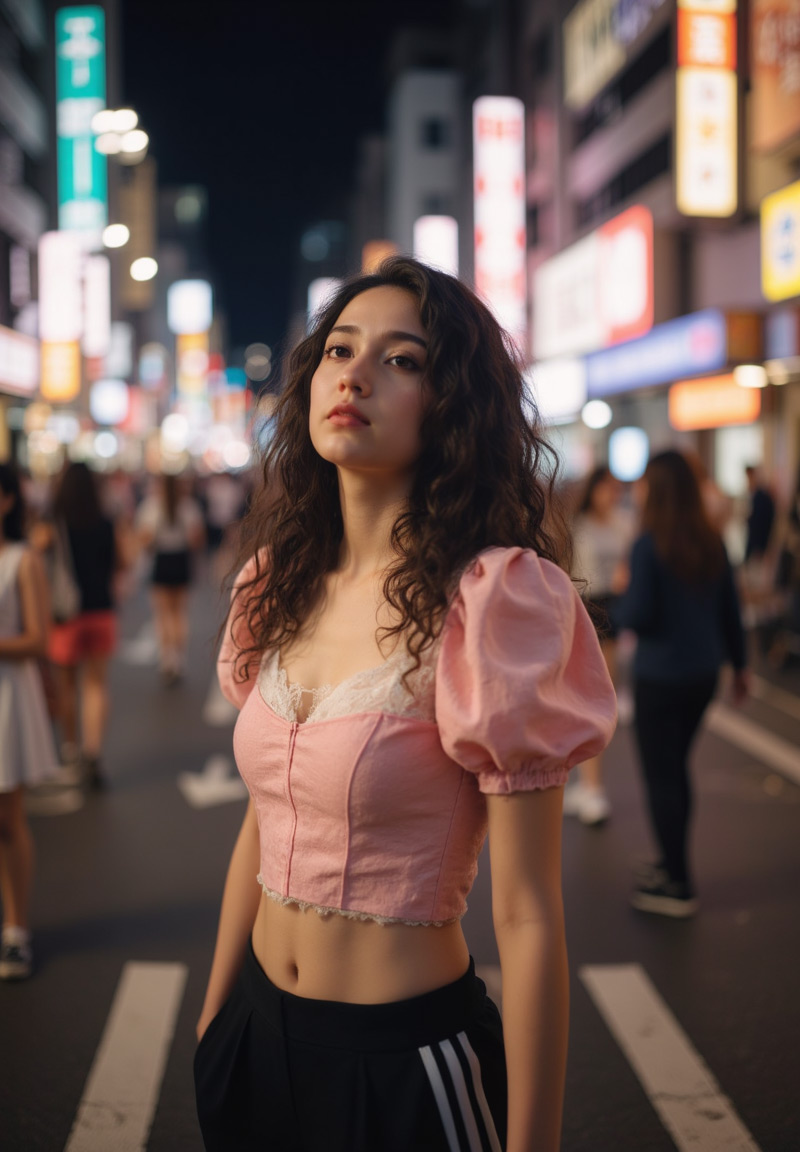
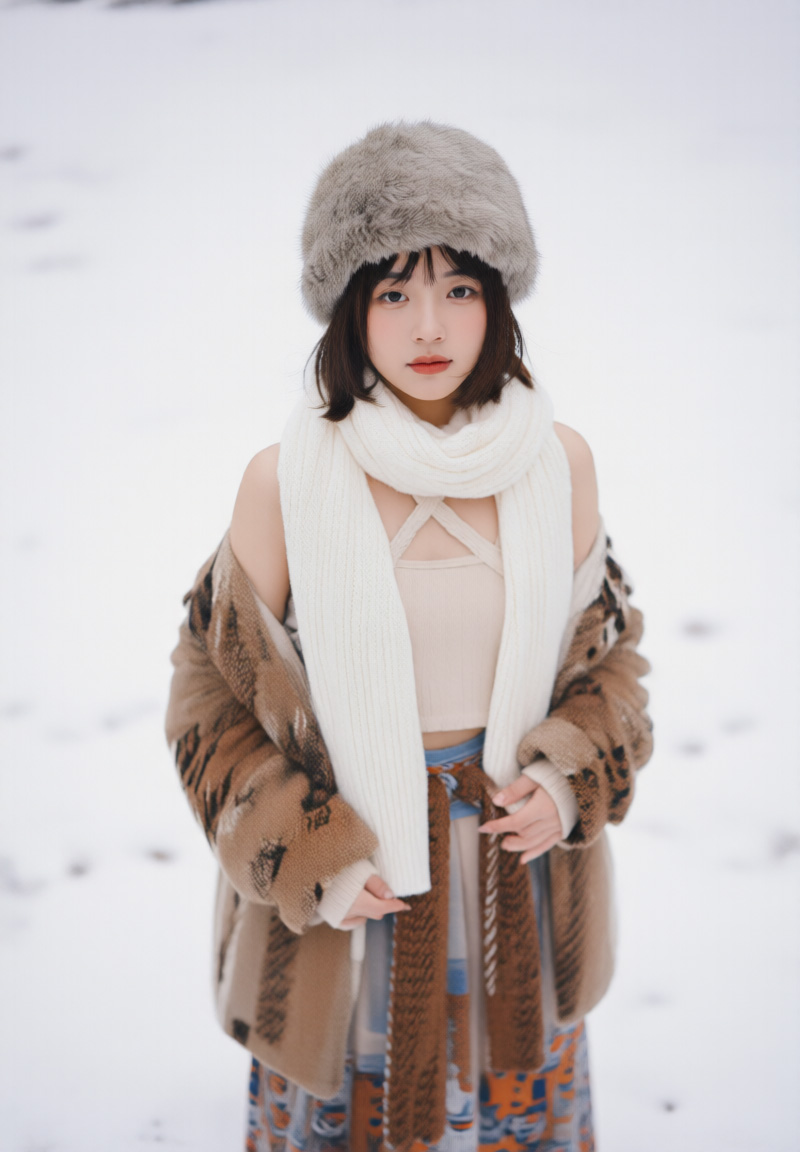
AI Scene & Background Recomposition enables complete transformation of an image’s environment while preserving the subject with realistic integration. By understanding scene geometry, lighting, and depth, AI can rebuild backgrounds and visual context with consistent shadows, reflections, and atmospheric perspective.
Using image-to-image and reference-guided generation, scenes can be redesigned into cinematic environments, conceptual worlds, or stylized settings without reshooting. A studio portrait can be placed into a desert sunset, a futuristic city, or a fantasy landscape with lighting and color adjusted to match the new environment naturally.
This technology allows precise control over mood, composition, and visual storytelling. Reference imagery can guide style, palette, and lighting direction, ensuring consistency across campaigns and creative assets. With AI, environments become editable design elements, turning a single photograph into a flexible, evolving visual narrative.
AI Photographic Manipulation & Compositing
AI Photographic Manipulation & Compositing extends image editing beyond correction into full visual construction. Using generative and structural models, AI can modify content, composition, and environments while preserving realistic lighting, depth, and perspective.
Objects can be replaced, scenes restructured, and environments redesigned with coherent shadows, reflections, and texture continuity. A neutral scene can be transformed into a cinematic setting, a conceptual environment, or a narrative-driven composition with precise visual control.
Unlike traditional compositing, AI understands contextual relationships within an image, enabling edits that feel integrated rather than layered. This makes it possible to construct complex visual narratives for advertising, product visualization, film concepts, and creative world-building with efficiency and accuracy.
AI Motion & Cinematic Photo Animation
AI Motion & Cinematic Photo Animation transforms still images into dynamic visual sequences. Starting from a single photograph or AI-generated scene, motion models can simulate camera movement, subject animation, and even synchronized speech, turning static frames into living moments.
By combining image generation, motion synthesis, and audio dubbing, creators can produce talking characters, expressive portraits, and narrative-driven clips without physical filming. Virtual cameras can pan, zoom, orbit, or track subjects with cinematic precision, creating intentional visual storytelling rather than random motion effects.
This opens a new production pipeline for marketing content, explainers, social media campaigns, and concept visualization. Entire video assets can be created without actors, locations, or studio setups, drastically reducing production time and cost while expanding creative control.
As AI motion technology evolves, generated sequences will become increasingly natural, with realistic physics, micro-expressions, and cinematic depth. Photography no longer ends with a single frame. With AI, every image can become a scene, a story, and a moving experience.